
Home Espresso Setup: Everything You Need to Get Started
A good home espresso setup has four essentials: an espresso machine, a burr grinder that can grind fine enough for espresso, a coffee scale that reads to 0.1 gram with a timer, and fresh whole beans with a roast date on the bag. Add a tamper that fits your portafilter, a milk pitcher and a knock box, and you can make café-style espresso and lattes every morning.
This guide walks through each piece in order, from choosing the type of machine to dialing in your first shot. Every step links to our full buying guides and head-to-head comparisons, so you can go deeper on the part you are deciding right now.
The Home Espresso Starter Kit
Espresso burr grinder – the upgrade that matters most after the machine
Espresso scale with timer – weighs your dose and shot in one place
Calibrated espresso tamper – match it to your portafilter size
Milk frothing pitcher – the right size for one or two lattes
Espresso knock box – a clean place for used pucks
WDT distribution tool – breaks up clumps for more even shots
Step 1: Choose the Right Type of Espresso Machine
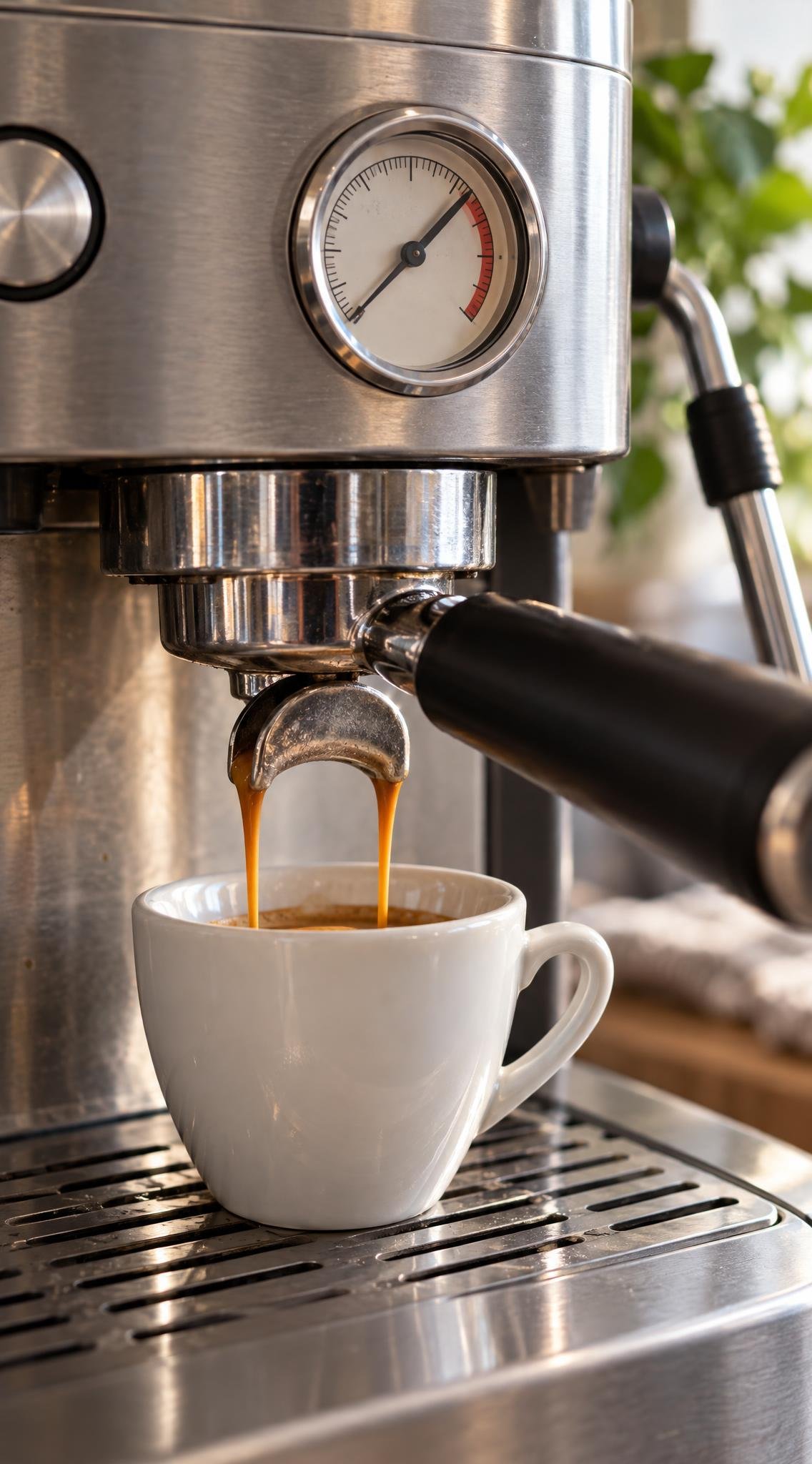
The biggest decision is how much of the work you want to do yourself. A semi-automatic machine gives you a portafilter and a steam wand, so you control the grind, the tamp and the milk. A super-automatic machine grinds, brews and froths at the press of a button. Pod machines trade control for speed. Here is how the options compare.
| Machine type | Best for | Our top pick | Full guide |
|---|---|---|---|
| Semi-automatic | Learning real espresso and latte art | Breville Bambino Plus | Best home espresso machines |
| Semi-automatic with grinder | An all-in-one setup on one footprint | Breville Barista Express | Barista Express review |
| Super-automatic | One-touch drinks with no learning curve | Philips 5500 LatteGo | Best super automatic machines |
| Pod machine | Fast, consistent coffee with no cleanup | Nespresso VertuoPlus | Best Nespresso machine |
| Stovetop moka pot | Strong coffee with no machine | Bialetti Moka Express | Best moka pots |
| Portable | Espresso while traveling or camping | Wacaco Nanopresso | Best portable espresso maker |
Semi-Automatic Machines
Our pick for most beginners is the Breville Bambino Plus, which heats fast and textures milk for you. If you want the grinder built in, the Breville Barista Express puts both on one footprint. Enthusiasts who want to tinker often choose the Gaggia Classic E24. See all six picks in our guide to the best home espresso machines and our Breville Barista Express review.
Super-Automatic Machines
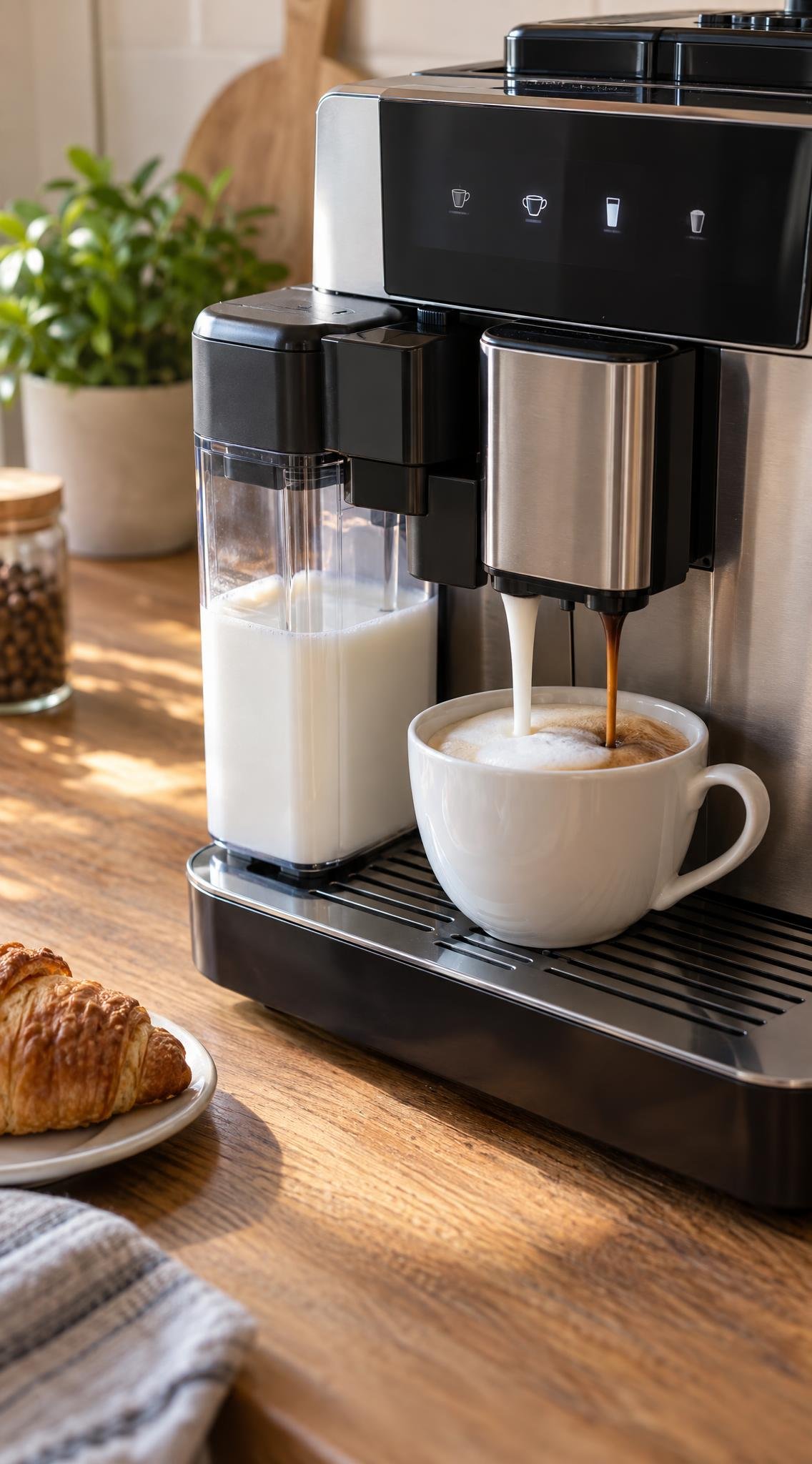
If you want a latte with one button, a bean-to-cup machine is the right call. Our pick for most homes is the Philips 5500 LatteGo, with 20 hot and iced drinks and a milk system with no tubes to scrub. The Philips 3200 LatteGo is the budget option with the same easy milk cleanup. Compare eight machines in our guide to the best super automatic espresso machines.
Pod Machines
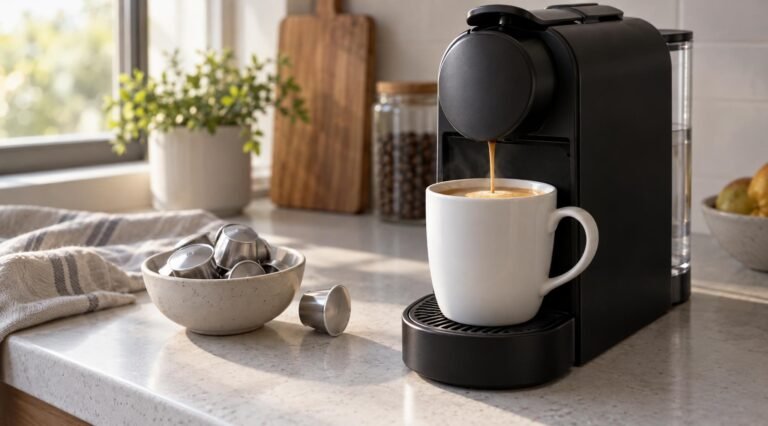
Nespresso makes espresso-style coffee with crema at the press of a button, with almost no cleanup. The VertuoPlus is our pick for mug-size coffee, and the Essenza Mini is the smallest machine for straight espresso. Read our guide to the best Nespresso machine, or see Nespresso vs Keurig if you also want regular drip-style coffee.
No Machine Yet?

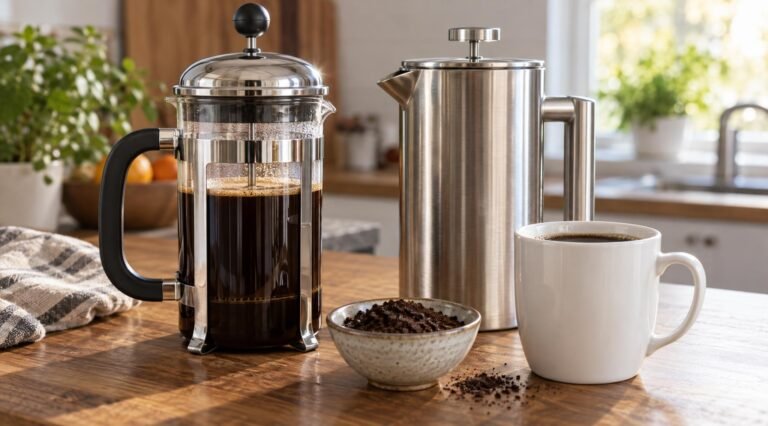
A stovetop moka pot makes strong, espresso-like coffee that works in every latte recipe, and it is the most affordable way to start. The Bialetti Moka Express is the classic choice. See the best stovetop espresso makers, or the best portable espresso maker for travel.
Head-to-Head Machine Comparisons
Narrowed it down to two? These comparisons give a clear answer for each matchup:
- Breville Bambino vs Bambino Plus. The Plus textures milk for you. The Bambino is the pick if you mostly drink espresso or want to learn to steam by hand.
- Breville Barista Express vs Barista Pro. The Pro heats in about 3 seconds and has 30 grind settings. The Express is the lower-priced pick with an analog pressure gauge.
- De’Longhi La Specialista Arte Evo vs Breville Barista Express. The Arte Evo adds a cold brew preset and a narrower footprint. The Express gives you more room to fine-tune hot espresso.
- Breville Oracle Jet vs Barista Touch Impress. The Oracle Jet grinds, doses and tamps for you. The Touch Impress has the same hands-free milk system a price tier lower.
- Philips 3200 LatteGo vs De’Longhi Magnifica Evo. Philips if you dread cleaning a milk frother. De’Longhi if you want to adjust the foam and save your own milk recipe.
- Breville vs De’Longhi. Breville for making espresso by hand. De’Longhi for true one-button bean-to-cup machines.
- Smeg espresso machines. Mostly a design purchase that also makes good coffee, in colors that match Smeg kettles and toasters.
Step 2: Get a Burr Grinder That Can Grind for Espresso
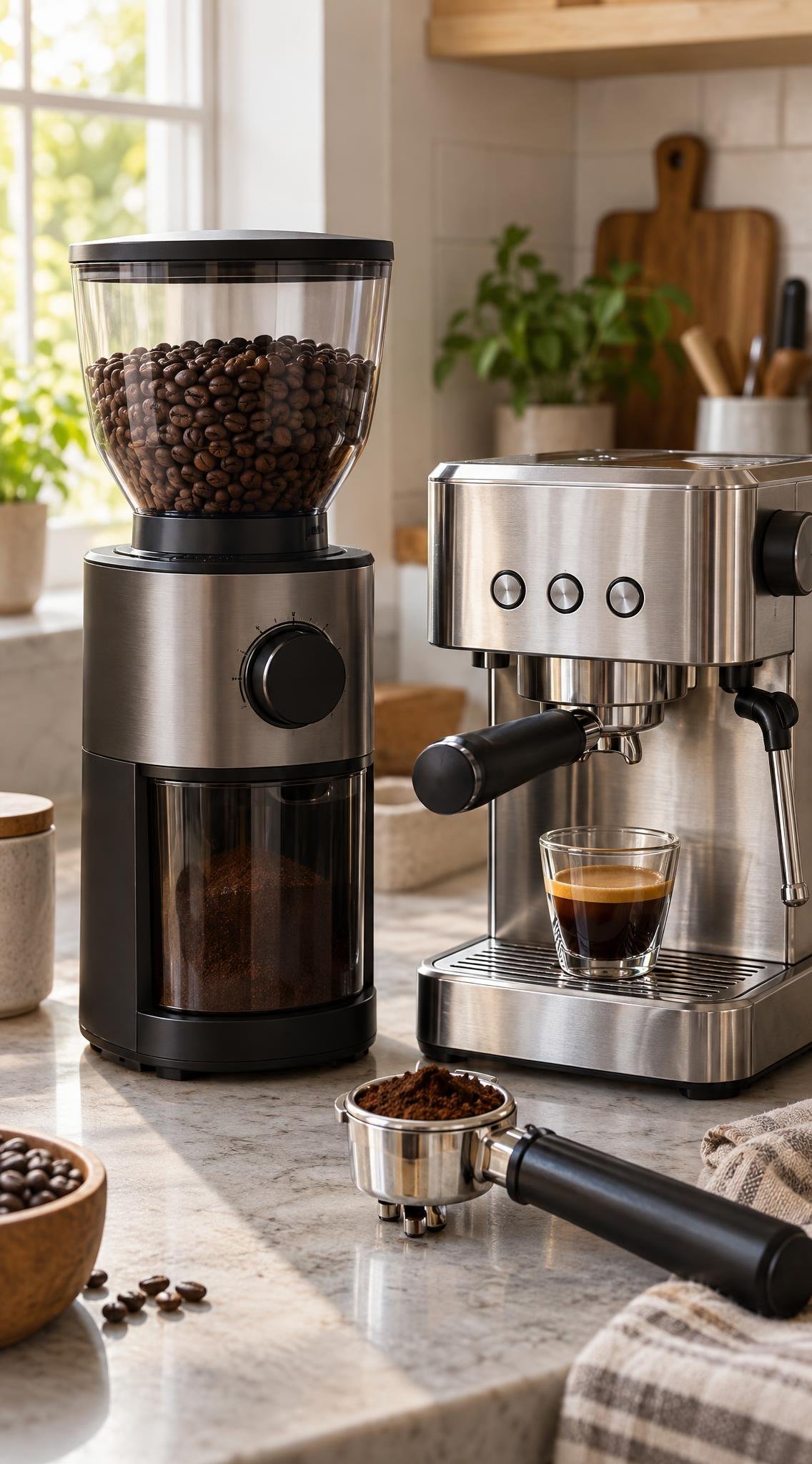
Your grinder matters as much as your machine. Espresso needs a fine, even grind that you can adjust in small steps, so skip blade grinders entirely. Our burr grinder guide picks the Baratza Encore ESP as the best overall, the Fellow Opus for espresso and filter coffee, the 1Zpresso JX-Pro as the best manual grinder and the Niche Zero as the premium espresso pick. Read the full best burr grinders guide. Most budget grinders are built for drip and pour over, so check our best coffee grinders under 100 notes on which ones can handle espresso.
If your machine has a built-in grinder, like the Barista Express, you can skip this step and add a separate grinder later as an upgrade.
Step 3: Add a Coffee Scale With a Timer

A scale is the cheapest upgrade that makes the biggest difference. Look for 0.1 gram resolution, a built-in timer and a size that fits on your drip tray. Weigh your dose in the portafilter, usually 17 to 19 grams for a double shot, then weigh the shot in the cup as it pours. Our guide to the best coffee scales for espresso picks the Timemore Black Mirror Basic+ as the best value.
Step 4: Buy Fresh Espresso Beans
Old beans are the most common reason a shot will not dial in. Buy whole beans with a roast date printed on the bag, store them in an airtight coffee canister and grind right before brewing. Our top pick for most home machines is Lavazza Super Crema, a forgiving medium-roast blend that works well in milk. See all eight picks in our guide to the best coffee beans for espresso.
Step 5: Plan for Milk Drinks
If your machine has a steam wand, add a milk frothing pitcher and stop steaming at about 150°F. If it does not, a standalone frother works well. Our guide to the best milk frothers for home baristas picks a one-button frother for zero effort and a handheld option for tight budgets. Then put your setup to work with our latte recipe and these coffee shop drinks to make at home.
Step 6: Small Tools That Make Every Shot Easier
- Tamper. Match it to your portafilter. Most Breville home machines use 54 mm, the Oracle Jet uses 58 mm, and the De’Longhi La Specialista Arte Evo uses 51 mm. Check your manual before you buy.
- Tamping mat. Protects the counter and keeps the portafilter steady.
- WDT tool and dosing funnel. Spread the grounds evenly and keep them in the basket.
- Knock box. A clean place for used pucks next to the machine.
- Espresso cups. A 2 to 3 ounce cup with thick walls keeps a shot hot. See the best espresso cups.
Our guide to the best coffee accessories for home baristas covers scales, tampers and pitchers in more detail.
Step 7: Dial In Your First Shot
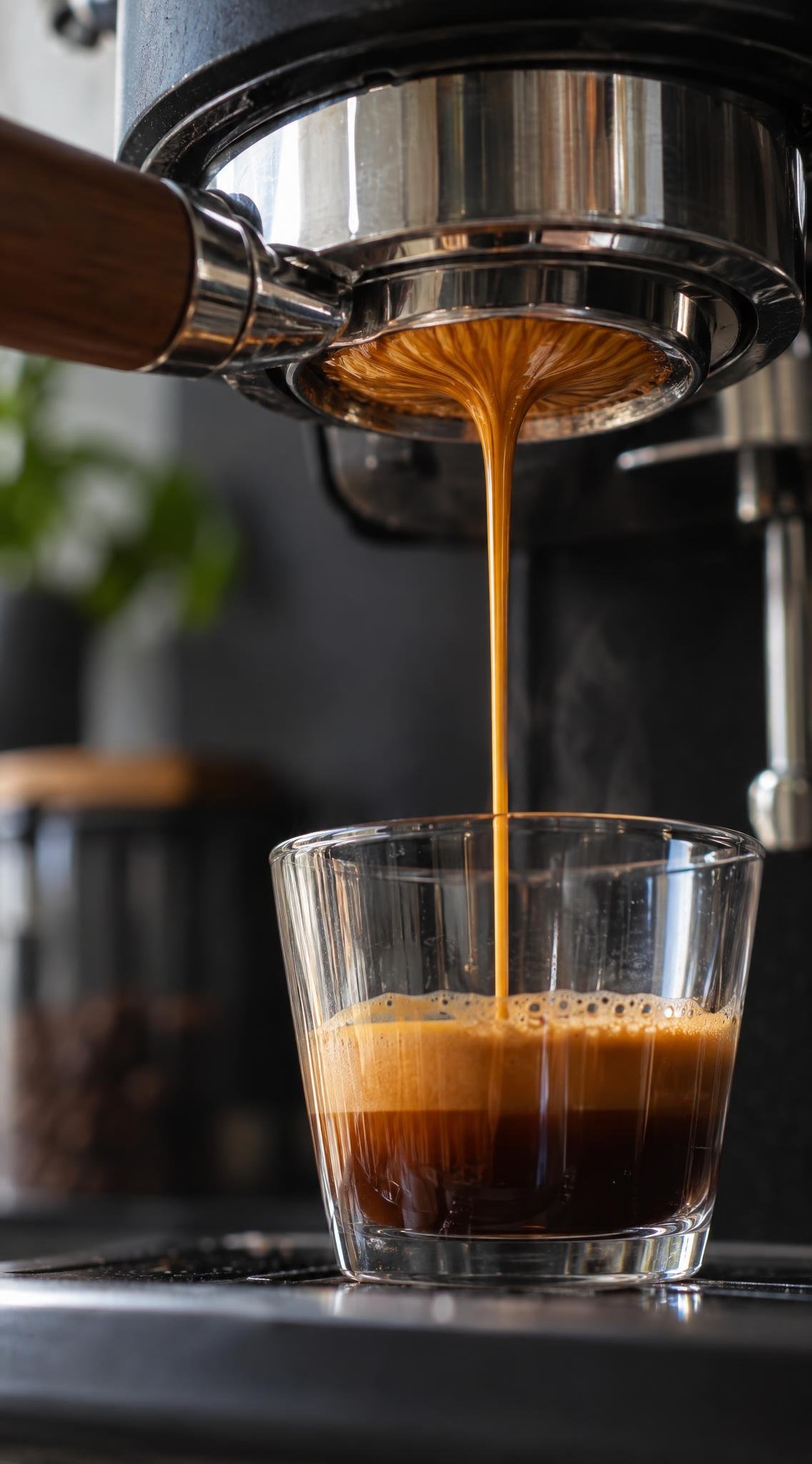
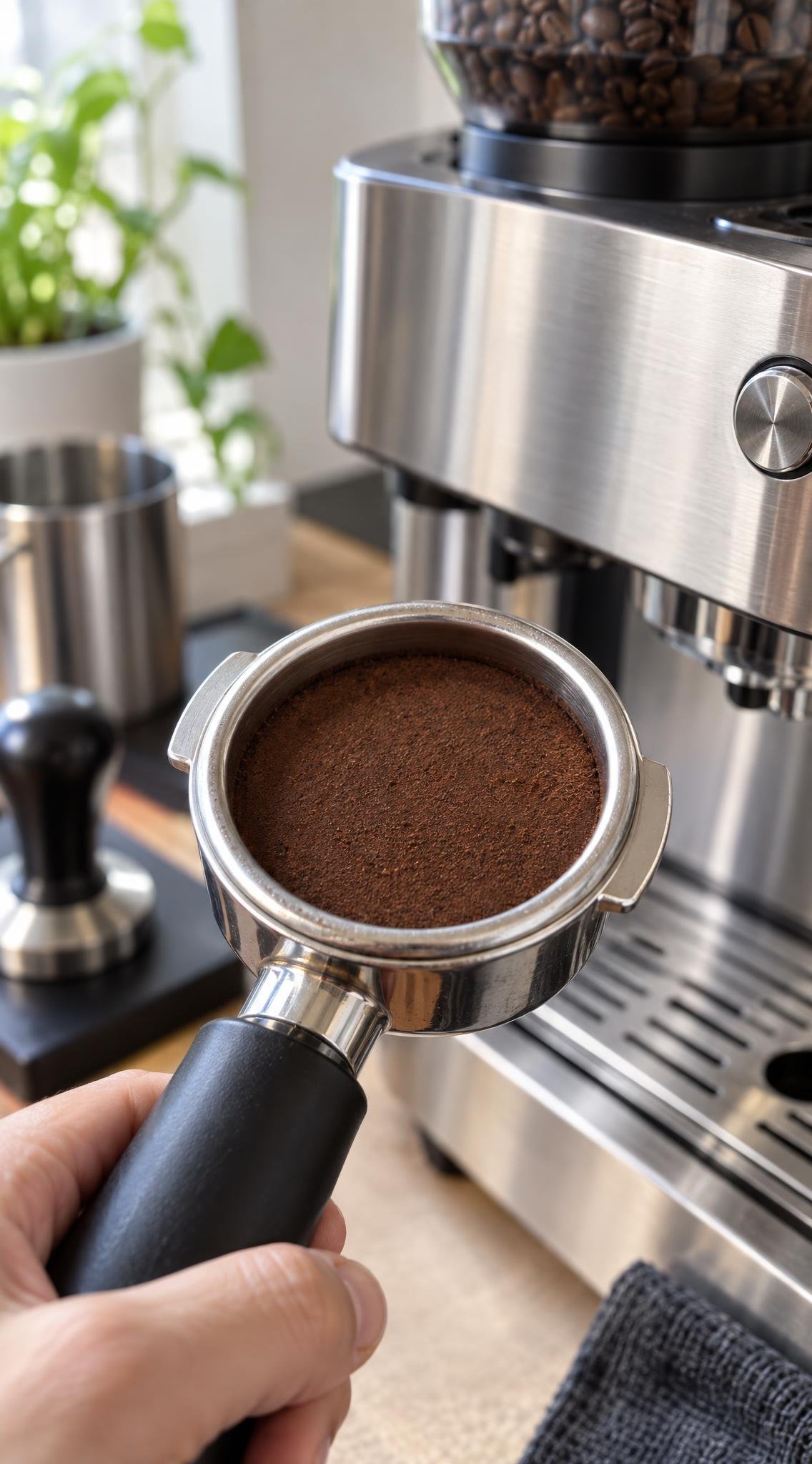
Start with a fixed recipe: 18 grams of ground coffee in, 36 grams of espresso out, in about 25 to 30 seconds. Change only the grind size until you hit that time and the shot tastes balanced. If it runs fast and tastes sour, grind finer. If it runs slow and tastes bitter, grind coarser. Our step-by-step guide on how to dial in espresso covers troubleshooting for sour, bitter and weak shots.
Home Espresso Setups by Goal
| Goal | Machine | Add |
|---|---|---|
| Start for the least | Stovetop moka pot | Handheld frother, burr grinder |
| Learn real espresso | Breville Bambino Plus | Burr grinder, scale, tamping mat |
| One footprint, all in one | Breville Barista Express | Scale, knock box, pitcher |
| One-button lattes | Philips 5500 LatteGo | Fresh beans, cleaning tablets |
| Fastest mornings | Nespresso VertuoPlus | Milk frother |
Marcus’s Pro Tips
- Budget for the grinder first. A good grinder with a basic machine beats a fancy machine with a poor grinder.
- Change one thing at a time. When a shot is off, adjust only the grind until it is right.
- Measure your counter. Check height under the cabinets before you buy, since some machines need room above them to fill the water tank or bean hopper.
- Use filtered water. It tastes better and helps keep scale out of the machine.
- Buy beans in small bags. Fresh beans used within a few weeks are easier to dial in.
Frequently Asked Questions
What do I need for a home espresso setup?
An espresso machine, a burr grinder that can grind fine enough for espresso, a scale with 0.1 gram resolution and a timer, fresh whole beans, and a tamper that fits your portafilter. A milk pitcher and knock box are the next most useful additions.
What is the best espresso machine for a beginner?
Our pick is the Breville Bambino Plus because it heats quickly and froths milk automatically. If you want a built-in grinder, look at the Breville Barista Express.
Do I need a separate grinder for an espresso machine?
Yes, unless your machine has one built in. Pre-ground coffee goes stale quickly and is rarely the right fineness for your machine, so shots are hard to dial in.
Is a super automatic espresso machine worth it?
If you want lattes at the press of a button and do not want to learn to tamp or steam, yes. If you enjoy the process and want the most control, a semi-automatic is the better fit.
Can I make espresso without a machine?
A moka pot or a portable espresso maker makes strong, concentrated coffee that works in lattes and other milk drinks. It is not true espresso, but it is close enough for most recipes.
Pick your machine type first, then build around it with a grinder, a scale and fresh beans. Once it is set up, our coffee bar ideas will help you give it a home on the counter.

Marcus Webb writes about home coffee for BrewElevate. He researches and compares brewing gear, beans and recipes so home brewers can make a better cup without overspending. His rule: if he wouldn’t be comfortable buying it himself, it doesn’t make the list.