Best Home Espresso Machines of 2026
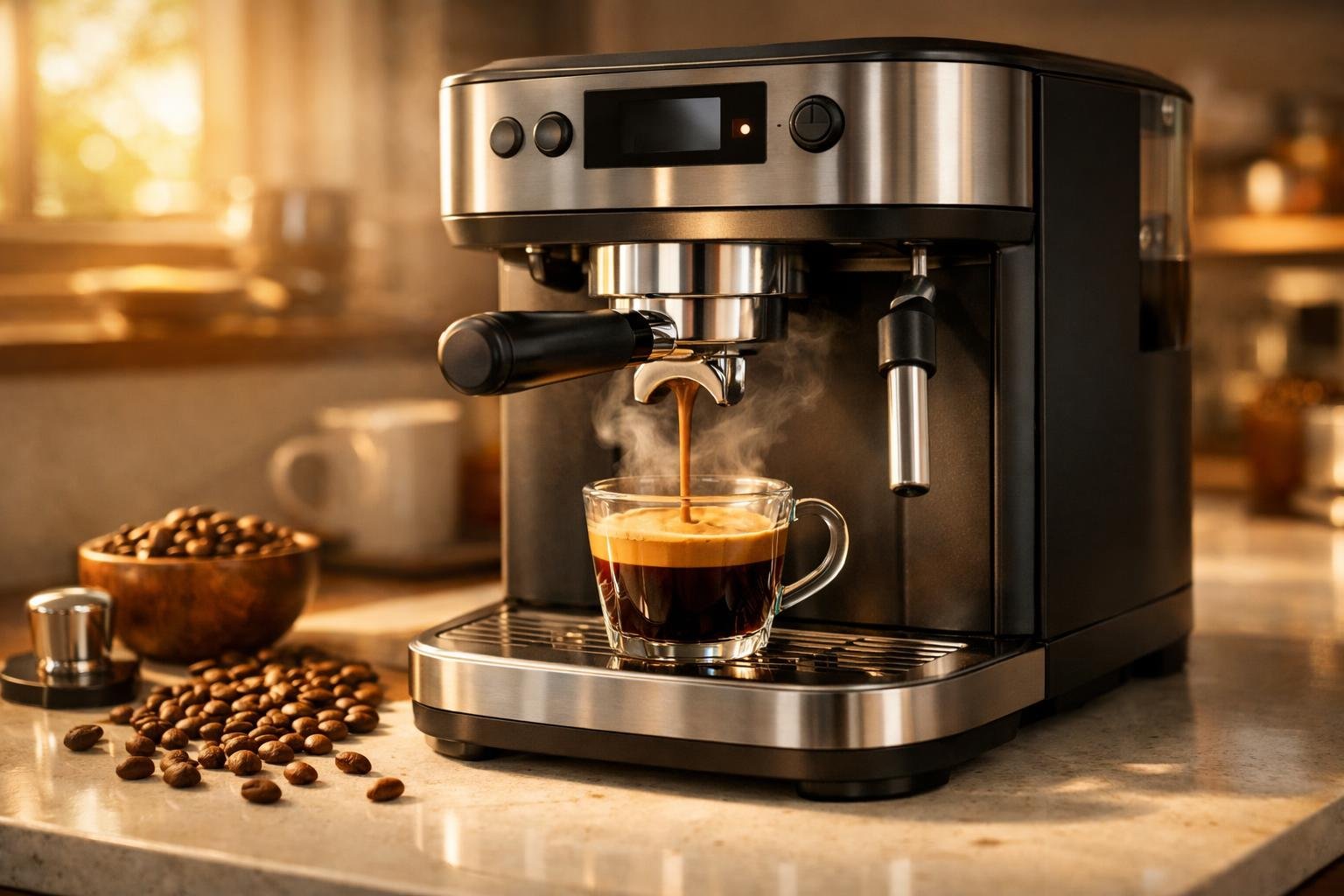
Best Home Espresso Machines of 2026 – There’s a moment that happens to every home coffee lover. You’re standing in line at your local café, handing over $7 for a latte you could have made in your kitchen — and you think: enough.
A home espresso machine changes everything. But choosing the right one? That’s where most people get lost. There are dozens of machines across a wild range of prices, and the terminology alone — semi-automatic, thermoblock, PID, portafilter — is enough to make anyone give up and go back to the café.
That’s exactly why I wrote this guide. Whether you’re a total beginner who just wants great espresso without a barista degree, a home brewer ready to step up your setup, or a coffee enthusiast who wants real control over every shot — there’s a machine on this list for you.
I’ve tested and researched the best options available in 2026 across every budget. Here’s what actually delivers.
Quick Picks: Best Home Espresso Machines of 2026
| Machine | Best For | Price Range |
|---|---|---|
| Breville Bambino Plus | Best Overall for Beginners | ~$500 |
| Breville Barista Express | Best with Built-in Grinder | ~$550–$699 |
| De’Longhi Dedica Duo | Best Budget Pick | ~$250 |
| Breville Barista Express Impress | Best for Easier Tamping | ~$650–$800 |
| Breville Barista Touch Impress | Best Semi-Auto with Guidance | ~$800–$1,000 |
| Gaggia Classic E24 | Best for Enthusiasts | ~$500 |
The Best Home Espresso Machines of 2026: Full Reviews
1. Breville Bambino Plus — Best Overall for Beginners
Price: ~$500 | Type: Semi-Automatic | Steam: Auto Milk Frother
Best for: First-time espresso machine owners who want great results fast
If you’ve never owned an espresso machine before, the Breville Bambino Plus is where I’d tell you to start. It heats up in just 3 seconds — faster than almost any machine at this price — and its automatic milk frother takes the trickiest part of latte-making completely off your plate.
The Bambino Plus uses a 54mm portafilter and nine-hole steam wand to produce surprisingly rich, balanced espresso shots. You’ll need a separate grinder to get the most out of it, but the machine itself is compact, well-built, and genuinely easy to use from day one.
It’s not a machine you’ll outgrow quickly either. With manual override capability and a proper steam wand option, it grows with you as your skills develop.
2. Breville Barista Express — Best with Built-in Grinder
Price: ~$550–$699 | Type: Semi-Automatic | Grinder: Built-in Conical Burr
Best for: Home brewers who want beans-to-espresso in under a minute
The Breville Barista Express is consistently one of Amazon’s top-selling semi-automatic espresso machines — and for good reason. It’s the machine that removes the biggest obstacle for most home baristas: buying a separate grinder.
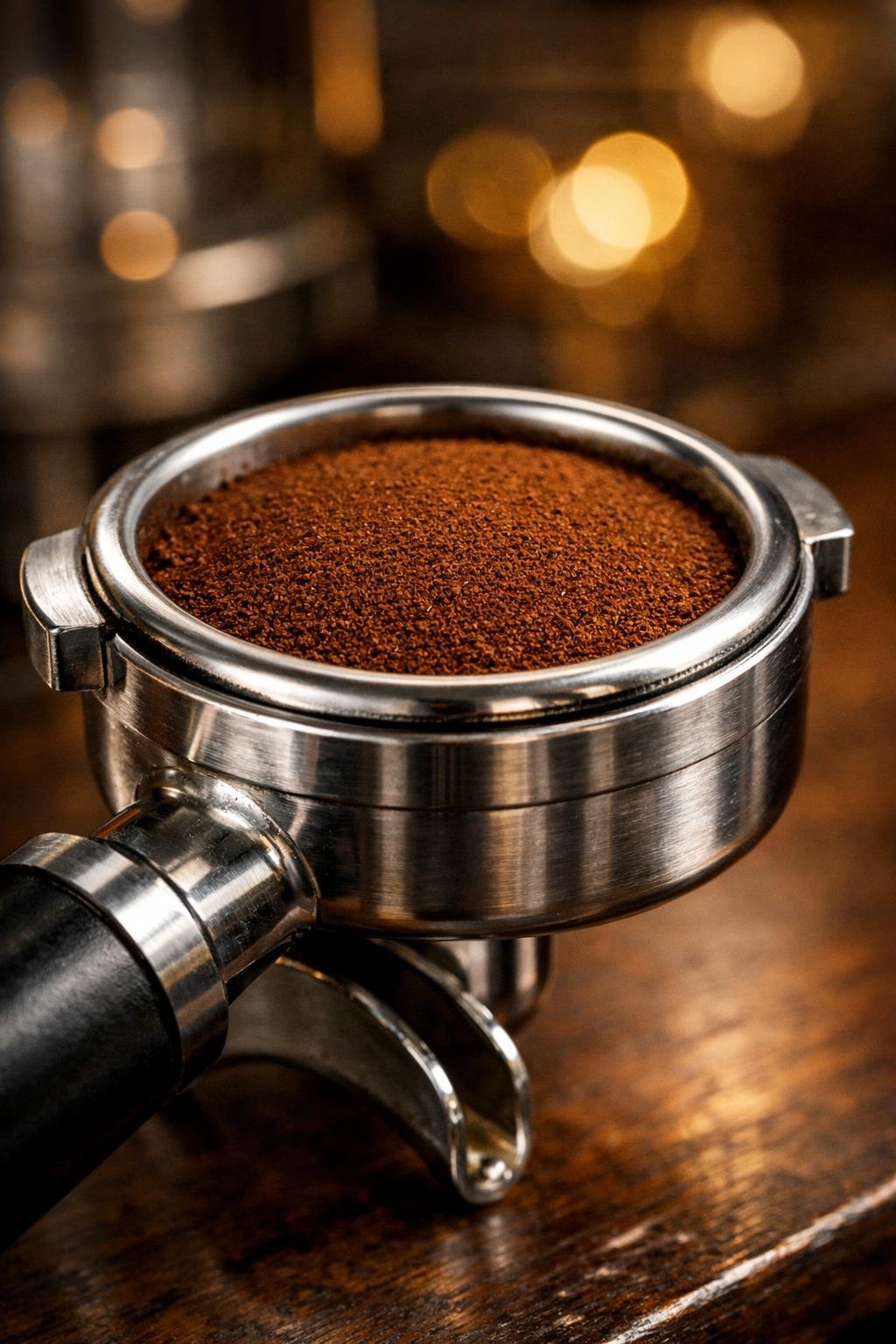
The built-in conical burr grinder offers 16 precision grind settings and doses directly into the portafilter. Pair that with low-pressure pre-infusion, a manual steam wand, and a 67 oz water tank, and you have a complete espresso setup in one machine.
There is a learning curve. You’ll need to experiment with grind size and dose to dial in your shots. But once you do, the results are genuinely café-quality — rich, balanced, and topped with thick crema.
3. De’Longhi Dedica Duo — Best Budget Pick
Price: ~$250 | Type: Semi-Automatic | Width: Only 6 inches
Best for: Budget-conscious buyers with limited counter space
At around $250, the De’Longhi Dedica Duo punches well above its price. It’s one of the slimmest espresso machines on the market — just 6 inches wide — making it a go-to for small kitchens or anyone who doesn’t want a bulky machine dominating their counter.
It produces hot, consistent espresso shots and the updated Duo version includes an improved steam wand over its predecessor. Pair it with a decent burr grinder and you’ll be pulling solid espresso every morning without breaking the bank.
4. Breville Barista Express Impress — Best for Easier Tamping
Price: ~$650–$800 | Type: Semi-Automatic | Special Feature: Assisted Impress Tamping System
Best for: Those who want grinder + assisted tamping in one machine
The Barista Express Impress takes everything great about the standard Barista Express and fixes the biggest frustration beginners face: tamping. With the Impress Puck System, you simply pull down a lever and the machine doses and tamps your puck to a precise 22 lbs of pressure automatically.
It’s one of Amazon’s top 10 bestselling semi-automatic espresso machines and has become a favorite for people who want the Barista Express experience with less mess and less guesswork on the tamp. If you’re spending $700+ anyway, the Impress is worth the step up.
5. Breville Barista Touch Impress — Best Semi-Auto with Barista Guidance
Price: ~$800–$1,000 | Type: Semi-Automatic | Special Feature: Touchscreen + Auto Milk Steaming
Best for: Coffee lovers who want maximum guidance and hands-free milk steaming
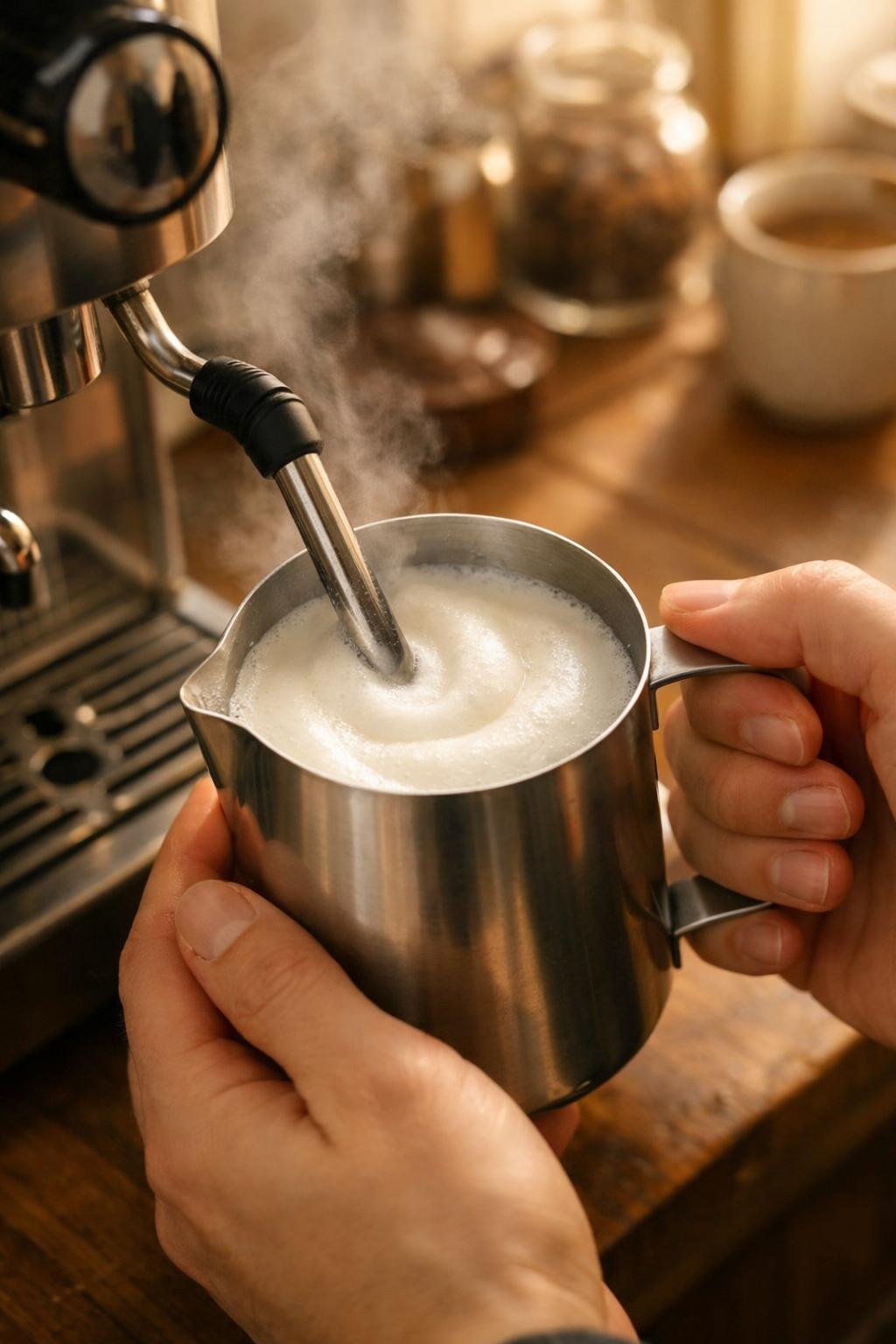
The Barista Touch Impress is the most beginner-friendly machine in the Breville lineup — and one of the most impressive semi-automatic machines available in 2026. It combines the Impress tamping system with a touchscreen display, step-by-step barista guidance, and hands-free automatic milk steaming.
The ThermoJet heating system gets the machine ready in just 3 seconds. The Auto MilQ feature even supports alternative milks like oat and almond, adjusting air injection time and temperature based on the milk type you select. For anyone who makes lattes or cappuccinos daily, this is a game-changer.
6. Gaggia Classic E24 — Best for Espresso Enthusiasts
Price: ~$500 | Type: Semi-Automatic | Style: Traditional, hands-on
Best for: Coffee enthusiasts who want full manual control and a classic espresso workflow
The Gaggia Classic has been a beloved machine among espresso enthusiasts for decades, and the updated E24 version continues that tradition. Unlike the Breville machines, it doesn’t hold your hand — there’s no PID temperature controller, no auto-tamping, and you start and stop the extraction yourself.
That’s exactly the point. The Gaggia Classic is for people who want to master espresso the old-fashioned way — and who find that hands-on process deeply satisfying. The machine is known for being durable and repairable for years.
How to Choose the Right Espresso Machine
What’s Your Experience Level?
Complete beginner? Start with the Bambino Plus or Dedica Duo. Ready to learn? The Barista Express is your machine. Want guidance built in? Go for the Touch Impress. Want full manual control? The Gaggia Classic is calling your name.
Do You Need a Built-in Grinder?
Freshly ground coffee makes a significant difference in espresso quality. If you don’t already own a burr grinder, a machine with one built in — like the Barista Express — saves you money and counter space. If you already have a quality grinder, the Bambino Plus or Gaggia Classic are excellent companions.
How Much Counter Space Do You Have?
Espresso machines range from the ultra-slim De’Longhi Dedica (6 inches wide) to the larger Barista Express footprint. Measure your available space before buying — you’ll also want room for a milk pitcher, knock box, and grinder if it’s not built in.
What Drinks Do You Make Most?
Pure espresso shots? Any machine here works. Mostly lattes and cappuccinos? Prioritize machines with strong steam wands — or consider the Barista Touch Impress for hands-free frothing. Making oat milk drinks? The Touch Impress has dedicated alternative milk settings.
Frequently Asked Questions
Do I need a separate grinder for an espresso machine?
Not if you choose a machine with a built-in grinder like the Barista Express. But if your machine doesn’t include one, yes — a quality burr grinder makes a noticeable difference in shot quality compared to pre-ground coffee.
What’s the difference between semi-automatic and fully automatic?
Semi-automatic machines give you control over the grind, dose, tamp, and extraction — you start and stop the shot. Fully automatic machines handle everything at the push of a button. Semi-auto gives better results with practice; super-auto is more convenient but offers less control.
What espresso beans should I use?
Look for a medium or medium-dark roast from a reputable specialty roaster. Freshness matters — beans roasted within the last 2–4 weeks produce the best crema and flavor. Check out our guide to the best coffee beans for espresso for specific recommendations.
How long do home espresso machines last?
A well-maintained machine from a reputable brand like Breville or Gaggia should last 5–10 years. Regular descaling, backflushing, and cleaning the group head are the key maintenance tasks that extend machine life significantly.
Is a home espresso machine worth it?
If you buy one $5–$7 coffee drink per day, a $600 machine pays for itself in under 4 months. Beyond the savings, there’s a real joy in making excellent espresso at home — it becomes a morning ritual rather than a transaction.
Final Verdict
The best home espresso machine in 2026 is the one that matches your skill level, your budget, and how you actually drink coffee every morning.
For most people just getting started, the Breville Bambino Plus is the safest bet — fast, forgiving, and genuinely great. If you want to go deeper into the craft, the Breville Barista Express is the machine that turns home coffee into a real skill. And if you want every step guided and automated, the Barista Touch Impress is as close to a home café as it gets.
Whichever you choose — your morning is about to get a whole lot better. ☕