
Best Coffee Beans for Espresso of 2026
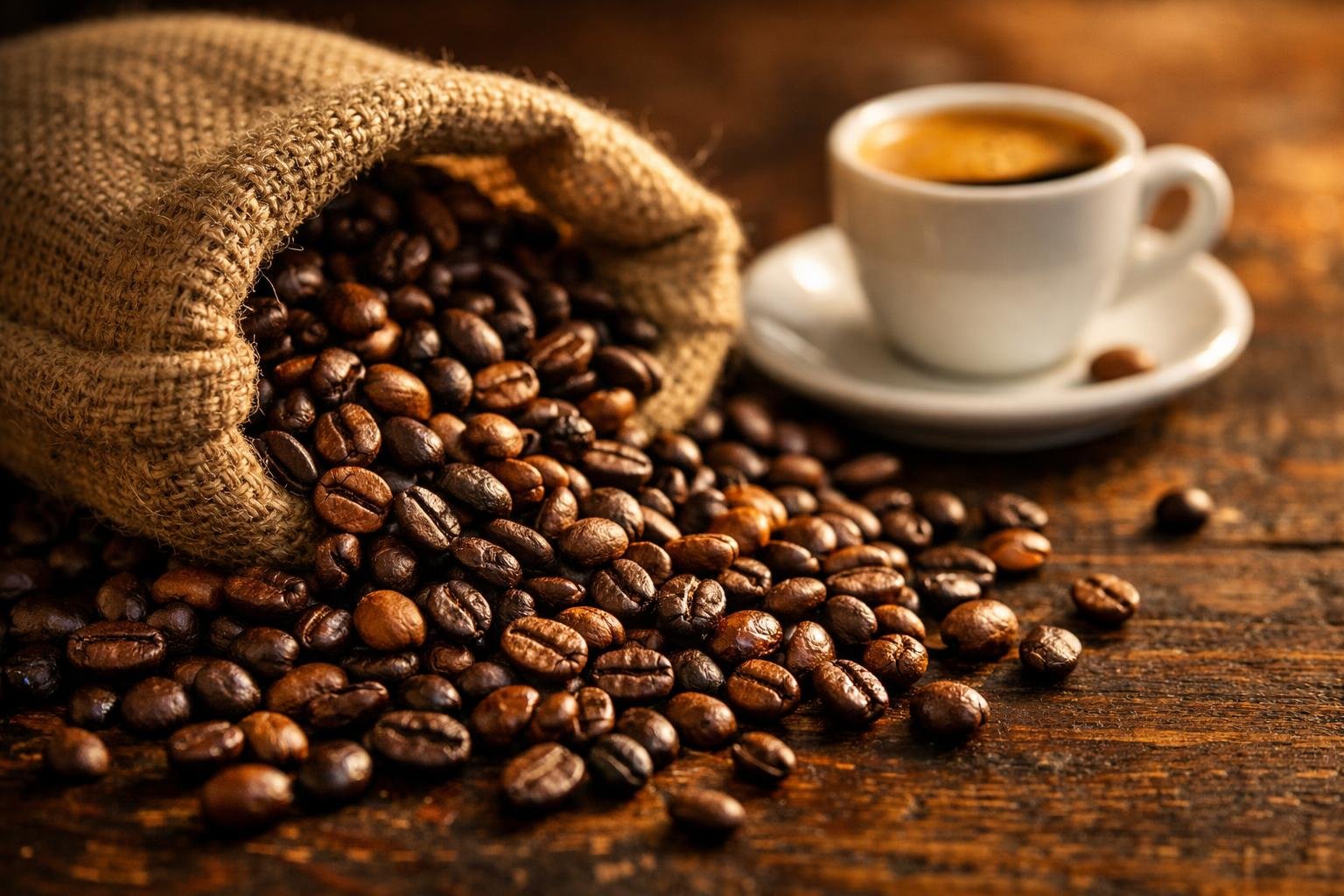
Best Coffee Beans for Espresso — Here’s a truth most people learn the hard way: you can own a $700 espresso machine and still pull a mediocre shot. The machine matters. The grinder matters. But the beans? The beans are where it all begins.
Espresso is an unforgiving brew method. It extracts fast, concentrates everything, and amplifies both the good and the bad in your coffee. The wrong beans — stale, poorly roasted, or simply not suited for espresso — will give you a sour, bitter, or flat shot no matter how dialed-in your technique is.
The right beans, on the other hand, make everything click. Rich crema. Balanced sweetness. That deep, complex flavor that makes you wonder why you ever paid $7 at a café.
I’ve pulled hundreds of shots testing beans across every roast level, origin, and price point. These are the ones that consistently deliver — whether you’re a beginner pulling your first shot or an enthusiast chasing café-quality results at home.
Quick Picks: Best Coffee Beans for Espresso 2026
| Coffee Beans | Best For | Roast Level |
|---|---|---|
| Lavazza Super Crema | Best Overall | Medium-Light |
| Intelligentsia Black Cat Classic | Best Specialty Pick | Medium |
| Stumptown Hair Bender | Best for Milk Drinks | Medium |
| Illy Classico Espresso | Best for Beginners | Medium Roast |
| Death Wish Coffee Espresso | Best Dark Roast | Dark |
| Trade Coffee Subscription | Best for Discovering New Beans | Your Choice |
The Best Coffee Beans for Espresso: Full Reviews
1. Lavazza Super Crema — Best Overall
Roast: Medium-Light | Origin: Blend (Brazil, Colombia, India)
Best for: Home espresso drinkers who want consistent, forgiving, café-quality results
If I had to recommend one bag of espresso beans to every home brewer regardless of their machine or skill level, it would be Lavazza Super Crema. It’s been a staple in Italian espresso culture for decades — and for good reason. It’s consistent, forgiving, and genuinely delicious.
The blend combines Arabica and Robusta beans from Brazil, Colombia, and India, producing a cup with notes of hazelnut, brown sugar, and a hint of dried fruit. The crema is thick and persistent — exactly what you want to see on a well-pulled shot.
What makes Super Crema especially great for home use is how forgiving it is to dial in. It’s not a fussy single-origin bean that punishes you for being half a gram off. It pulls beautifully across a range of grind settings, making it ideal whether you’re still dialing in your technique or just want a reliable daily driver.
2. Intelligentsia Black Cat Classic — Best Specialty Pick
Roast: Medium | Origin: Blend (Latin America)
Best for: Home baristas ready to step up to specialty-grade espresso
Intelligentsia is one of the pioneers of the third-wave coffee movement, and Black Cat Classic is their flagship espresso blend — the same one they’ve been pulling in their cafés for years. If you want to understand what specialty espresso actually tastes like, this is your starting point.
Expect notes of dark chocolate, caramel, and a subtle berry brightness that you simply won’t find in commodity blends. It pulls a rich, syrupy shot with excellent body — especially impressive as a straight espresso or a cortado where the coffee flavor takes center stage.
It’s a step up in price from Lavazza, but if you’ve already invested in a quality machine and grinder, skimping on beans is the wrong place to cut corners. Intelligentsia ships fresh and roast dates are clearly marked on every bag.
3. Stumptown Hair Bender — Best for Milk Drinks
Roast: Medium | Origin: Blend (Latin America, East Africa, Indonesia)
Best for: Latte and cappuccino lovers who want bold flavor that cuts through milk
Stumptown’s Hair Bender is a Portland institution — and it’s one of the best espresso blends available for anyone who primarily makes milk-based drinks. The blend pulls a bold, assertive shot with notes of dark chocolate, citrus, and a brown sugar sweetness that holds up beautifully when you add steamed oat milk or whole milk.
This is the bean that makes your lattes taste like they came from a serious café. The citrus brightness cuts through the milk without going sour, and the chocolate base gives every sip a satisfying richness. If your morning routine is a large oat milk latte, Hair Bender is the bean you’ve been looking for.
Stumptown sources directly from farms and publishes their sourcing relationships transparently — a bonus if ethical sourcing matters to you.
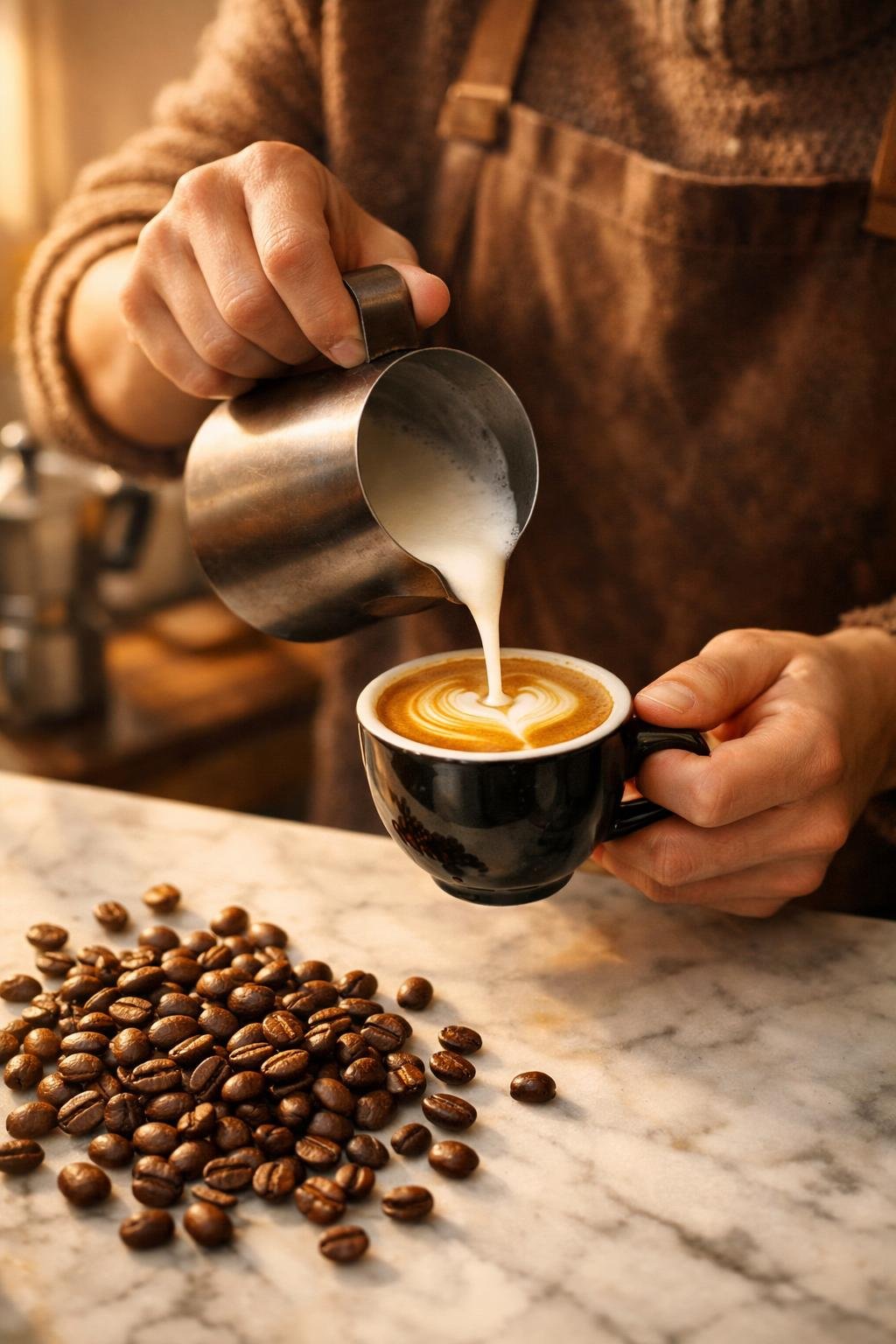
4. Illy Classico Espresso — Best for Beginners
Roast: Medium | Origin: Blend (9 Arabica origins)
Best for: First-time espresso drinkers who want smooth, approachable results
Illy has been crafting their signature espresso blend since 1933, and the Classico remains one of the most consistent, approachable espresso coffees on the market. If you’re new to home espresso and want a bean that’s easy to dial in and pleasant to drink, this is where I’d point you.
The blend combines nine Arabica origins to create a smooth, balanced cup with notes of caramel, chocolate, and a gentle floral finish. There’s no harsh bitterness, no jarring acidity — just clean, classic Italian espresso flavor that works beautifully as a straight shot or in any milk drink.
Illy also packages their beans in pressurized cans that preserve freshness exceptionally well — a real advantage if you’re not buying coffee weekly. It’s widely available in grocery stores and online, making it one of the most accessible quality espresso beans you can buy.
5. Death Wish Coffee Espresso — Best Dark Roast
Roast: Dark | Origin: Blend (Robusta + Arabica)
Best for: Dark roast lovers who want bold, high-caffeine espresso
Not everyone wants a nuanced, fruit-forward espresso. Some people want bold, dark, and strong — and for those people, Death Wish Coffee delivers exactly what the name promises. It’s one of the highest-caffeine coffees on the market, blending Robusta and Arabica beans for a shot that hits hard from the first sip.
The flavor profile is classic dark roast — dark chocolate, a touch of smokiness, and a bold, slightly bitter finish. It’s not subtle, and it’s not trying to be. If you’re someone who adds oat milk and a pump of vanilla syrup to your espresso, this bean will hold its own beautifully and give you that café-strength kick you’re looking for.
It’s also USDA certified organic and Fair Trade certified — a nice bonus for a dark roast at this price point.
6. Trade Coffee Subscription — Best for Discovering New Beans
Roast: Your Choice | Origin: 400+ roasters nationwide
Best for: Coffee explorers who want fresh, personalized beans delivered to their door
If you’re the kind of person who likes variety — or if you’re still figuring out which roast level and flavor profile you love most — Trade Coffee is the smartest way to explore. Trade partners with over 400 of the best specialty roasters in the country and matches you with beans based on your taste preferences, brew method, and how often you drink coffee.
Every bag ships directly from the roaster — which means you’re getting beans roasted to order, not sitting in a warehouse for weeks. For espresso specifically, you can tell Trade you want espresso-optimized roasts and they’ll dial in the recommendations accordingly.
It’s also the best way to support small independent roasters while discovering coffees you’d never find on a grocery store shelf. If you’ve been drinking the same bag of beans for years, Trade will change the way you think about coffee.
How to Choose the Right Espresso Beans
Roast Level: What Actually Matters for Espresso
Despite what you may have heard, espresso doesn’t require a dark roast. Medium roasts are actually ideal for most home espresso setups — they’re easier to dial in, more forgiving across a range of grind settings, and produce more complex, nuanced flavor. Dark roasts work well if you prefer bold, chocolatey shots or primarily drink milk-based drinks. Light roasts can be exceptional but are the hardest to pull correctly.
Freshness: The Most Overlooked Factor
Freshly roasted beans make a bigger difference in espresso than almost any other variable. Look for bags with a roast date printed on the label — not a best-by date, but the actual roast date. Beans are at their peak between 7 and 21 days after roasting. Avoid anything that doesn’t display a roast date, and never use beans that are more than 6 weeks past their roast date for espresso.
Single Origin vs Blend: Which is Better for Espresso?
Blends are specifically designed to be consistent and balanced across different brew conditions — which is why most espresso bars use them. Single-origin beans can be extraordinary as espresso, but they’re less forgiving and often more expensive. If you’re just getting started, a quality blend like Lavazza Super Crema or Illy Classico will serve you well. Once you’re comfortable dialing in your shots, single-origin espresso is a fascinating rabbit hole worth exploring.
Arabica vs Robusta: Does It Matter?
Most specialty espresso is 100% Arabica — higher quality, more complex flavor, lower caffeine. Robusta beans have more caffeine, a stronger body, and contribute to thick crema — which is why Italian-style espresso blends often include a percentage of Robusta. Neither is universally better. It comes down to what you value in a shot: complexity and nuance (Arabica) or boldness and crema (Robusta or blends).
How to Store Espresso Beans Properly
Even the best beans in the world will taste flat if stored incorrectly. Here’s how to keep your espresso beans fresh:
- Use an airtight container — Transfer beans from their bag into a dedicated coffee canister with a one-way valve. This lets CO2 escape without letting oxygen in.
- Keep them at room temperature — Counter storage in a cool, dark spot is ideal. Avoid the refrigerator — the moisture and odors will damage your beans.
- Don’t freeze unless buying in bulk — Freezing is only recommended if you’re storing beans for more than a month. Freeze in airtight portions and never refreeze once thawed.
- Buy in smaller quantities more often — A fresh 12 oz bag every 2–3 weeks will always outperform a 5 lb bag you’ve had for months.
Frequently Asked Questions
Can I use regular coffee beans for espresso?
Technically yes — “espresso beans” aren’t a different species, just beans roasted and blended with espresso in mind. That said, beans labeled for espresso are specifically selected and roasted to perform well under high pressure extraction. Using a light-roast pour over coffee in your espresso machine is possible, but you’ll likely get a sour, under-extracted shot. Stick with beans specifically roasted for espresso for best results.
What roast is best for espresso?
Medium roast is the sweet spot for most home espresso setups. It’s forgiving to dial in, produces balanced flavor, and works well both as a straight shot and in milk drinks. Dark roasts are great if you love bold, chocolatey espresso. Light roasts are excellent for experienced home baristas chasing complex, fruit-forward shots — but they’re less forgiving and harder to dial in.
How much coffee do I need per espresso shot?
A standard single shot uses 7–9 grams of ground coffee. A double shot — which is the standard in most cafés and home setups — uses 14–18 grams. Using a scale is the most reliable way to dose consistently. If you’re eyeballing it, you’ll get inconsistent results no matter how good your beans are.
Do expensive coffee beans make better espresso?
Not always — but freshness and quality of roasting matter enormously. A $20 bag of freshly roasted specialty beans will outperform a $40 bag of stale supermarket coffee every time. The sweet spot for most home brewers is a quality specialty blend in the $15–$25 range per 12 oz bag, bought regularly so you’re always working with fresh beans.
Should I grind my own espresso beans?
Yes — always grind fresh, right before brewing. Pre-ground coffee loses its flavor rapidly once exposed to air. For espresso specifically, where extraction happens in 25–30 seconds under high pressure, grind freshness has a dramatic impact on shot quality. If you don’t have a grinder yet, check out our guide to the best burr grinders — a quality burr grinder is the single best upgrade you can make to your home espresso setup.
Final Verdict
The best espresso beans are the ones that match how you drink coffee — and how committed you are to the craft of pulling great shots.
For most people, Lavazza Super Crema is the perfect starting point — consistent, forgiving, and genuinely delicious. If you’re ready to step up, Intelligentsia Black Cat Classic will show you what specialty espresso is all about. And if you want the joy of discovering new beans from the best roasters in the country, a Trade Coffee subscription is the smartest investment you can make in your morning cup.
Whatever you choose — buy fresh, grind right before brewing, and never underestimate what a great bag of beans can do for your morning. ☕