
8 Best Espresso Cups for Home Baristas (and What Size to Buy)
The best espresso cups hold 2 to 3 ounces, have thick walls that keep a small drink hot, and are narrow enough to hold the crema together. A cup that is too big or too thin lets a shot go lukewarm in about a minute. Below are 8 espresso cups and sets worth a look, grouped by material, plus how to pick the right size.
These picks come from comparing sizes, materials and what each cup is designed for. Espresso cups also make an easy gift for anyone with a machine at home.
Quick Picks
Thick porcelain espresso cups – the classic cafe-style choice for heat retention
Double-wall glass espresso cups – show off the crema and stay cool to hold
Stackable espresso cup set with rack – saves counter space on a coffee bar
Espresso cup and saucer set – the traditional choice for serving guests
Stoneware espresso mugs – heavy, colorful and good at holding heat
Insulated stainless steel espresso cups – hard to break, good for travel
What Size Should an Espresso Cup Be?
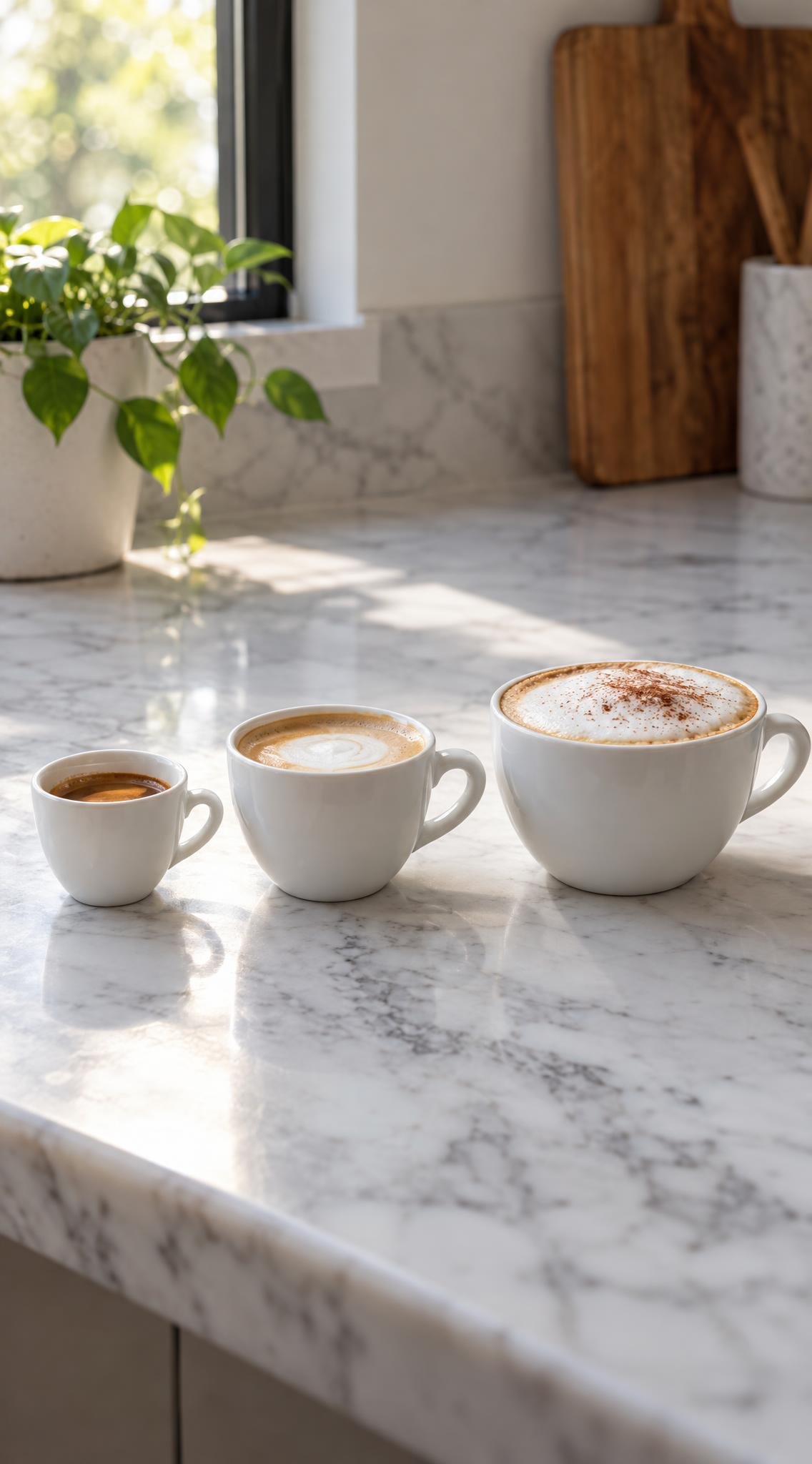
A single shot of espresso is about 1 ounce and a double is about 2 ounces. A cup in the 2 to 3 ounce range, often called a demitasse, leaves a little room at the top without leaving the shot spread thin across a wide base.
| Drink | Typical volume | Cup size to look for |
|---|---|---|
| Single espresso | About 1 ounce | 2 to 3 ounces |
| Double espresso | About 2 ounces | 3 ounces |
| Macchiato or cortado | 3 to 4 ounces | 4 to 5 ounces |
| Cappuccino | 5 to 6 ounces | 5 to 6 ounces |
If you mostly drink doubles, buy 3 ounce cups. Before you order, measure the space under your machine’s spouts so the cup fits with room to see the shot.
The Best Espresso Cups by Type

1. notNeutral Lino Espresso Cup
The notNeutral Lino espresso cup is a 3 ounce porcelain cup with thick walls and a rounded interior. It was designed with baristas, and the shape is common in specialty coffee shops. Best for: anyone who wants the cafe standard at home. Keep in mind that it is sold on its own or in small sets, and saucers are usually separate.
2. Bodum Pavina Double-Wall Glasses
The Bodum Pavina 2.5 ounce glasses are made of double-wall borosilicate glass. The air gap keeps the outside cool to the touch and slows heat loss, and you can see the layers of the shot. Best for: people who like to watch the crema settle. Keep in mind that the glass is thin, so hand washing is the careful choice.
3. De’Longhi Double-Wall Espresso Glasses
The De’Longhi double-wall espresso glasses hold about 2 ounces and come as a set of 2. They are sized to fit under most home espresso machine spouts. Best for: a low-cost first set, or a small add-on gift for someone with a new machine. Keep in mind that 2 ounces is a tight fit for a full double shot.
4. Fellow Monty Demitasse Cup
The Fellow Monty demitasse cup is a 3 ounce double-wall ceramic cup. Double-wall ceramic keeps heat in longer than a thin single wall, and the matte finish suits a modern coffee bar. Best for: design-minded home baristas. Keep in mind that it has no handle.
5. ACME Demitasse Cup
The ACME demitasse cup is a heavy porcelain cup of about 2.4 ounces that many cafes use, with matching saucers sold separately. Best for: a durable everyday cup in a range of colors. Keep in mind that buying cups and saucers separately adds up.
6. Stackable Porcelain Espresso Cup Set
A stackable espresso cup set with a metal rack gives you 4 or 6 cups that nest on a small stand. Best for: small counters and coffee stations where every inch matters. Keep in mind that sizes vary between brands, so check the listed ounces before you buy.
7. Espresso Cup and Saucer Set
A porcelain espresso cup and saucer set is the traditional way to serve espresso after dinner, with a place to rest a spoon and a biscuit. Best for: hosting and gifting. Keep in mind that saucers take extra cabinet space.
8. Insulated Stainless Steel Espresso Cups
Double-wall stainless steel espresso cups will not chip or crack, which makes them practical for camping, travel and homes with stone countertops. Best for: use with a portable espresso maker. Keep in mind that you cannot see the shot, and steel does not go in the microwave.
Porcelain, Glass, Stoneware or Steel?
| Material | Heat retention | Durability | Best for |
|---|---|---|---|
| Thick porcelain | Very good when preheated | Good, can chip | Daily use, classic look |
| Double-wall glass | Good | Fragile | Seeing the crema |
| Stoneware | Very good when preheated | Good | Color and weight |
| Stainless steel | Good | Excellent | Travel and outdoors |
Thick porcelain and stoneware pull heat out of the shot if they are cold, so they need preheating. Double-wall glass and steel are more forgiving if you skip that step.
What to Look For in an Espresso Cup

- Capacity. 2 to 3 ounces for straight espresso. Bigger cups are for milk drinks.
- Wall thickness. Thicker walls hold heat longer once they are warm.
- Shape. A rounded, narrow base keeps the crema thick. A wide, flat base spreads it thin.
- Height. The cup has to fit under the portafilter spouts with room to spare.
- Care. Check whether the cup is dishwasher safe, especially double-wall glass.
Marcus’s Pro Tips
- Preheat the cup. Fill it with hot water while the machine warms up, or keep cups on the machine’s warming tray. A cold cup can cool a shot before you taste it.
- Buy at least 4. Two for daily use and two for guests is the practical minimum.
- Match the cup to the drink. If you drink cortados, add a pair of 4 to 5 ounce glasses.
- Weigh into the cup. A small cup fits on a compact scale under the spouts, which makes dialing in easier. See how to dial in espresso.
Frequently Asked Questions
How many ounces is an espresso cup?
Most espresso cups hold 2 to 3 ounces. A single shot is about 1 ounce and a double is about 2 ounces, so a 3 ounce cup covers both.
What is a demitasse cup?
Demitasse is French for half cup. It is the small 2 to 3 ounce cup used for espresso and Turkish coffee.
Are double-wall glass espresso cups better than ceramic?
Neither is better for everyone. Double-wall glass stays cool outside and shows the shot. Thick ceramic is tougher and holds heat very well once it is preheated.
Do espresso cups need saucers?
No. A saucer gives you a place for a spoon and catches drips, which is useful when serving guests. For daily use at the machine, most people skip it.
Can I use a regular mug for espresso?
You can, but the shot spreads thin across the wide base, loses heat quickly and the crema breaks up. A small cup keeps it hot and concentrated.
Do espresso cups make a good gift?
Yes, for anyone who already owns a machine. Pair a set with fresh beans from our guide to the best espresso beans for home baristas, or see more ideas in gifts for espresso lovers.
Start with a pair of 3 ounce cups in the material that suits how you drink, then add a serving set later. If you are still choosing a machine to go with them, see our guide to the best home espresso machines.

Marcus Webb writes about home coffee for BrewElevate. He researches and compares brewing gear, beans and recipes so home brewers can make a better cup without overspending. His rule: if he wouldn’t be comfortable buying it himself, it doesn’t make the list.