
Best Pour Over Coffee Makers 2026: 5 Drippers That Deliver an Exceptional Cup
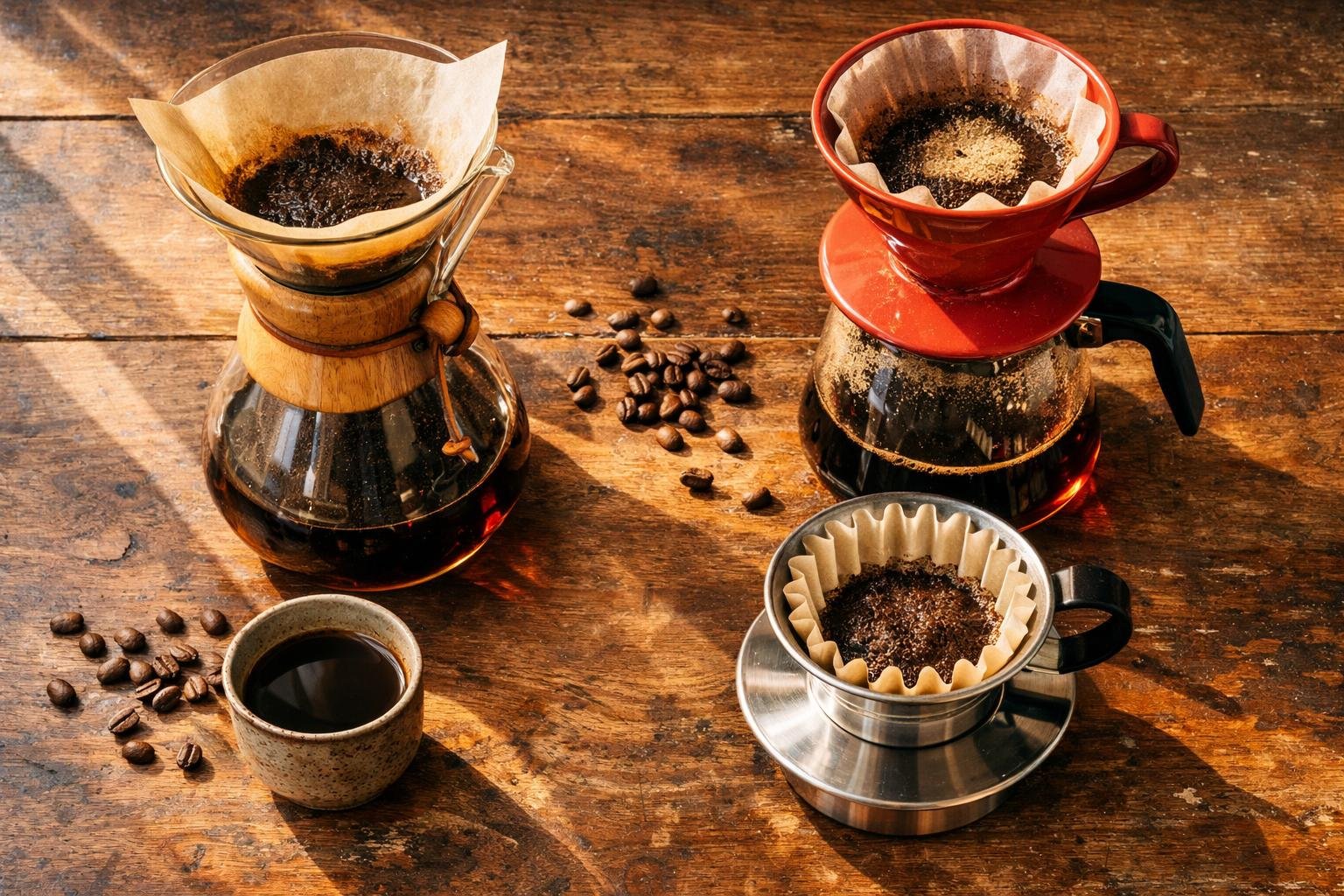
Best Pour Over Coffee Makers 2026: 5 Drippers That Deliver an Exceptional Cup
I’ve brewed thousands of cups of pour over coffee — on campfire mornings in the Cascades, in cramped café backrooms before service, and at my kitchen counter every single day for the past fifteen years. And I’ll tell you something most gear guides won’t: the brewer you choose matters far less than people think… until you hit the ceiling of what cheap equipment allows. That’s when a well-designed dripper changes everything.
Pour over brewing is pure. No pressure, no pods, no fuss — just hot water, ground coffee, and gravity doing its work. But the shape of the vessel, the number of holes at the bottom, and the material it’s made from all influence flow rate, turbulence, and ultimately flavor. If you’ve been using a quality burr grinder and still feel like your pour overs are falling flat, your dripper might be the missing link.
In this guide, I’ve tested and ranked five of the best pour over coffee makers available in 2026 — ranging from the iconic Chemex that’s graced serious home bars for decades, to the precision-engineered Fellow Stagg X for the detail-obsessed brewer. Whether you want something foolproof for weekday mornings or a full kit that rivals specialty café output, there’s a pick below for you.
☕ Quick Picks — Best Pour Over Coffee Makers 2026
- Best Overall: Chemex 6-Cup Classic Series — timeless design, clean cup, perfect for 2–4 servings
- Best for Control Freaks: Hario V60 Ceramic 02 — single large hole, endless dial-in potential
- Most Forgiving: Kalita Wave 185 Stainless Steel — flat-bottom design, consistent results every time
- Best Premium Kit: Fellow Stagg X Pour-Over Set — gooseneck kettle + dripper in one precision package
- Best Budget Pick: Melitta Pour Over with Thermal Carafe — no-fuss brewing with heat retention built in
☕ Free: 4 Starbucks Copycat Recipes You Can Make at Home
Iced Brown Sugar Oat Shaken Espresso, Vanilla Sweet Cream Cold Brew, Pumpkin Spice Latte, and Caramel Macchiato — all four recipes, completely free.
Grab the Free Recipe Guide →
What to Look for in a Pour Over Coffee Maker
Before we get into the products, a quick primer on what actually separates a great pour over dripper from a mediocre one:
Hole configuration: Single large holes (like the V60) give you full manual control over flow rate — great for experienced brewers. Flat-bottom designs with multiple small holes (like the Kalita Wave) are more forgiving of technique variations. The Chemex uses its own proprietary filter to control flow.
Material: Ceramic holds heat well but is fragile. Stainless steel is durable and travel-friendly. Glass looks beautiful but shares ceramic’s fragility. Plastic is lightweight and cheap — better than its reputation when made well.
Filter type: Proprietary filters (Chemex, Kalita Wave) mean you’re locked into specific paper costs. The V60 uses widely available cone filters. Factor in ongoing filter expense if you’re brewing daily.
Serving size: Drippers like the V60 02 and Kalita Wave 185 are ideal for 1–2 cups. The Chemex 6-cup handles 2–4 servings. The Melitta carafe set is the best option if you’re brewing for a household. Pair any of these with freshly roasted single-origin beans and you’ll notice a dramatic improvement in cup clarity.
1. Chemex 6-Cup Classic Series Pour-Over Coffee Maker
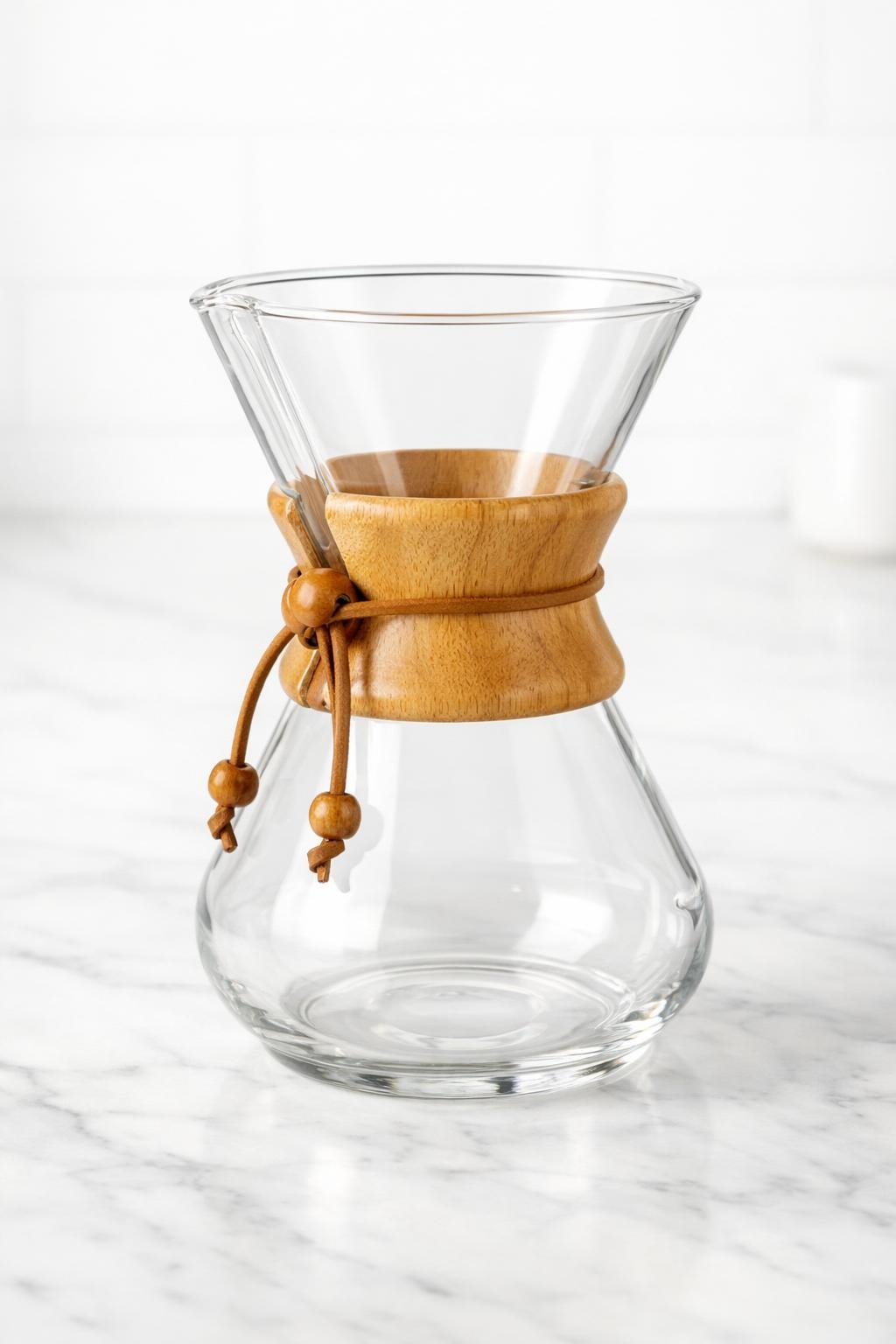
The Chemex is one of the most recognizable objects in coffee history — and after more than 80 years, it still earns its place on serious home bars. The hourglass borosilicate glass carafe with its wooden collar and leather tie is genuinely beautiful, but the real story is what it does to your coffee.
Chemex uses its own bonded paper filters, which are 20–30% heavier than standard filters. This extra thickness catches more oils and fine particles, producing one of the cleanest, brightest cups you’ll find outside a competition-level café setup. If you love tasting the nuance of a single-origin Ethiopian or a washed Colombian, the Chemex will let those flavor notes sing without muddying interference from oils or sediment.
The 6-cup size is the sweet spot — brews roughly 30 oz, which is perfect for two generous mugs or four smaller cups to share over a slow weekend morning. For dialing in grind and water ratios on your home setup, I’d also recommend pairing it with a quality burr grinder — consistency there matters just as much as the brewer.
My one honest caveat: the Chemex rewards patient brewers. It’s not a pour-and-go device. You’ll get the best results with a gooseneck kettle, a scale, and a technique that controls your pour. If that sounds like your kind of morning ritual, the Chemex will repay every bit of that attention.
| ✓ Pros | ✗ Cons |
|---|---|
| Exceptionally clean, bright cup profile | Proprietary filters add ongoing cost |
| Iconic design — genuinely beautiful on a counter | Glass requires careful handling |
| Brews 2–4 cups in one batch | Benefits from a gooseneck kettle (sold separately) |
| Borosilicate glass is heat-resistant and flavor-neutral | Steeper learning curve for beginners |
2. Hario V60 Ceramic Coffee Dripper 02
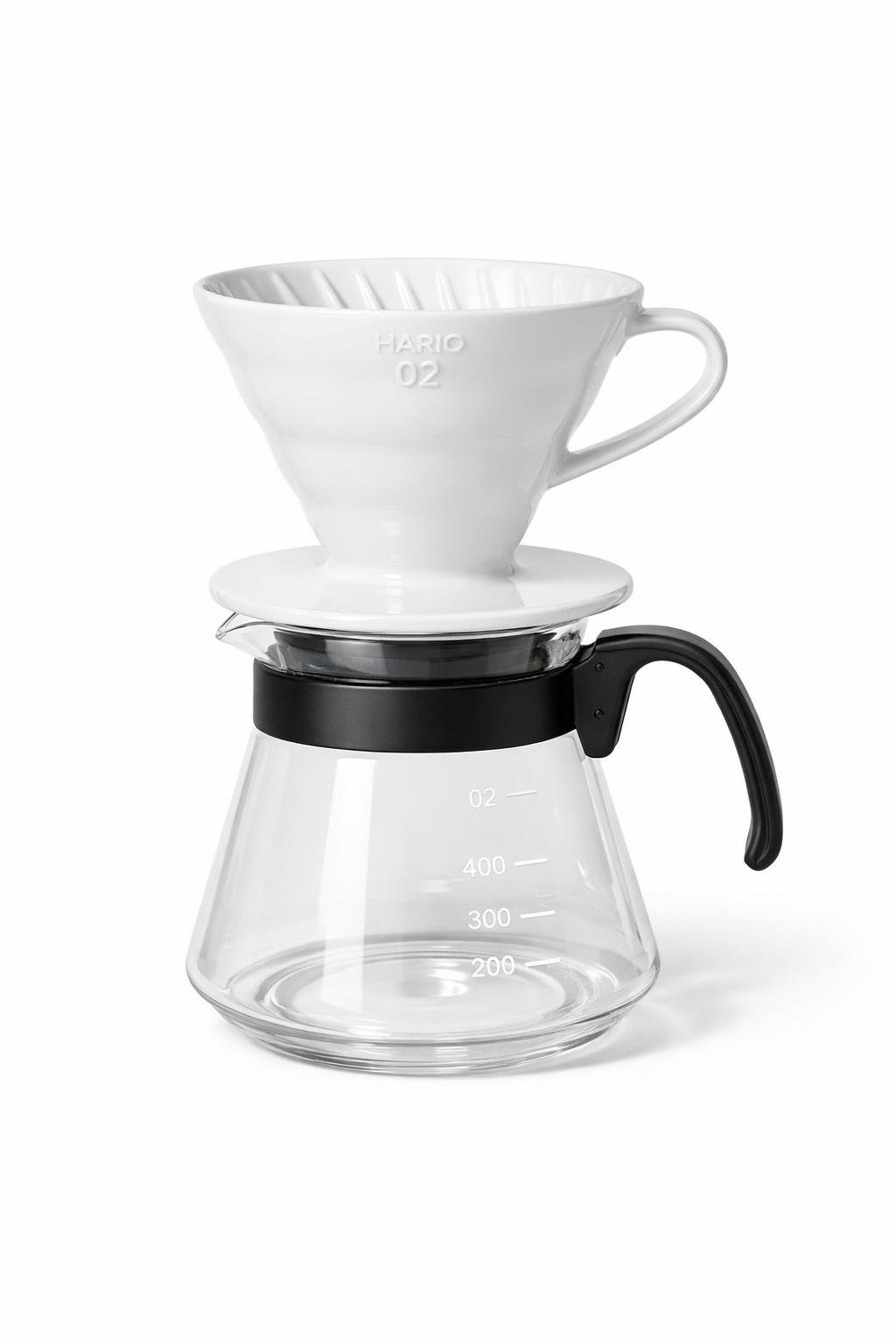
If the Chemex is the elegant dinner party host of the pour over world, the Hario V60 is the obsessive technician. It’s the dripper that’s become a global standard in specialty coffee — used in World Brewers Cup competitions and third-wave café menus alike — because it rewards skill and technique with extraordinary cup quality.
The V60’s defining feature is that single large drain hole at the bottom. There’s no mechanism limiting your flow rate except your pour. That’s what makes it so powerful and so demanding in equal measure. Go slow, and you extract more. Go fast, and you under-extract. The spiral ribs along the interior walls promote airflow and help the filter hold its cone shape without clinging to the sides. Every design decision is intentional.
The ceramic version holds heat beautifully — preheat it with a splash of hot water before you brew and it’ll maintain your target brewing temperature throughout. Ceramic is also completely flavor-neutral, so nothing interferes with what the coffee wants to tell you. For truly dialing in your technique, pair the V60 with a high-quality, freshly roasted coffee and you’ll start tasting differences you never noticed before.
The 02 size is ideal for single cups up to about 360ml — perfect for solo morning sessions. If you want to brew for two, look at the larger 03 size or consider batching two consecutive pours into a thermal carafe.
| ✓ Pros | ✗ Cons |
|---|---|
| Maximum brewing control for experienced users | Punishes inconsistent pouring technique |
| Ceramic retains heat exceptionally well | Ideal only for 1–2 cups per brew |
| Competition-level cup quality when dialed in | Requires gooseneck kettle for best results |
| Uses widely available standard cone filters | Learning curve is real — expect a few weeks to master |
3. Kalita Wave 185 Stainless Steel Dripper
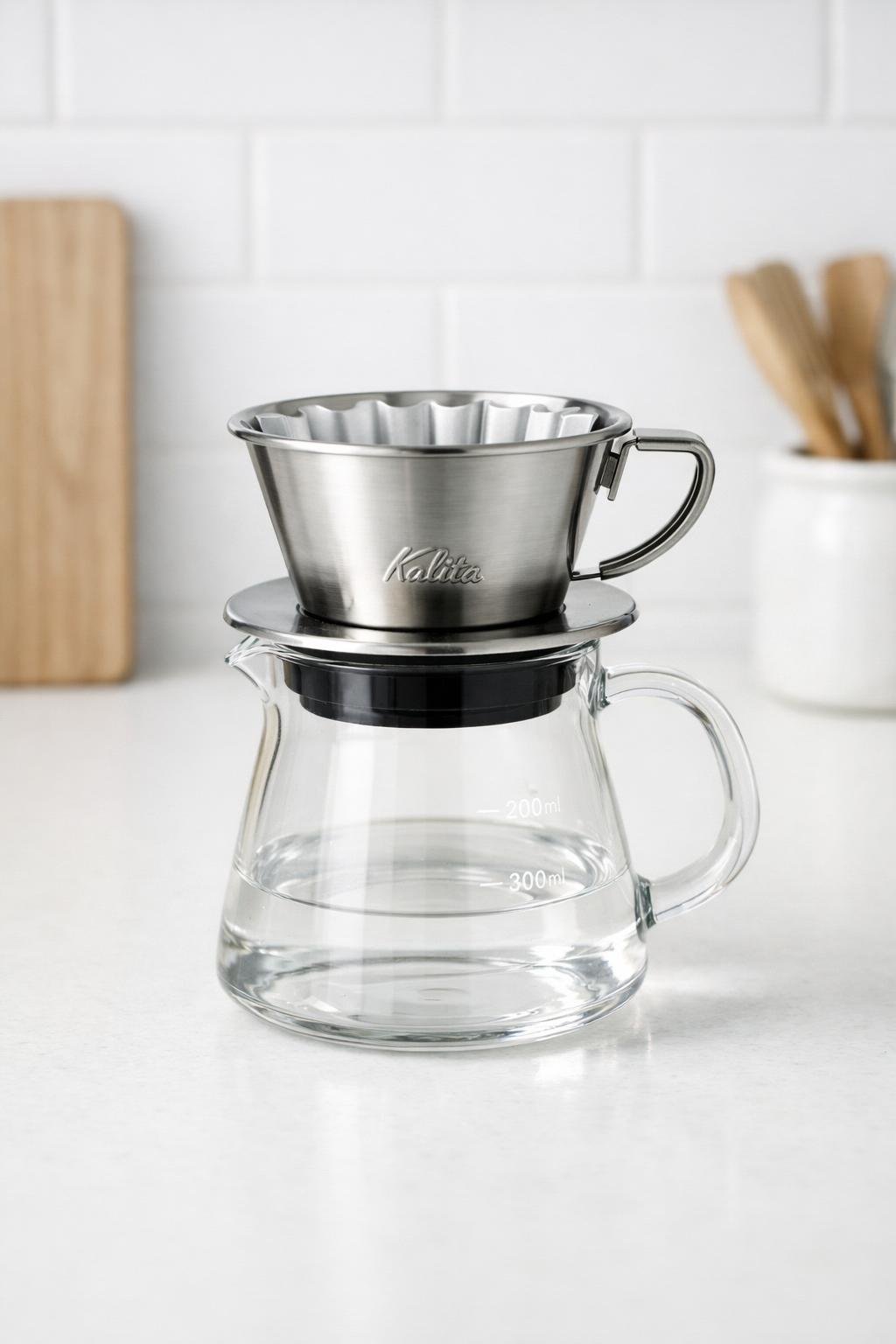
The Kalita Wave is the pour over dripper I recommend most often to brewers transitioning from drip machines to manual methods — and it’s also the one I reach for when I want a reliably excellent cup without thinking too hard about technique. That’s not a backhanded compliment. The Kalita Wave’s flat-bottom design with three small drain holes is an engineering solution to one of manual brewing’s biggest variables: uneven extraction.
In a cone dripper, water naturally wants to channel through the lowest point. A skilled brewer corrects for this with pour technique. The Kalita Wave’s flat bottom distributes water across the entire coffee bed more evenly, which means your margin for error is significantly wider. Pour a little fast, pause a little long — the Wave smooths it out. The result is a consistently sweet, balanced, medium-bodied cup that pleases almost every palate.
The stainless steel construction makes this the most durable option on this list. Drop it, throw it in a bag, take it camping — it doesn’t care. The Wave-series proprietary filters have a distinctive crimped bottom that keeps them from touching the dripper walls, promoting even water flow. One thing to note: Kalita Wave filters are slightly harder to find than V60 cone filters, so stock up when you order.
For home baristas who also invest in a solid home espresso setup, the Kalita Wave makes a fantastic companion brewer for mornings when you want a clean filter coffee rather than an espresso pull.
| ✓ Pros | ✗ Cons |
|---|---|
| Flat-bottom design promotes even, forgiving extraction | Proprietary Wave filters can be harder to source locally |
| Stainless steel is virtually indestructible | Slightly slower brew time than cone drippers |
| Consistently balanced cup profile | Not ideal if you want maximum brightness/acidity |
| Great for beginner-to-intermediate brewers | Stainless can feel less premium than ceramic visually |
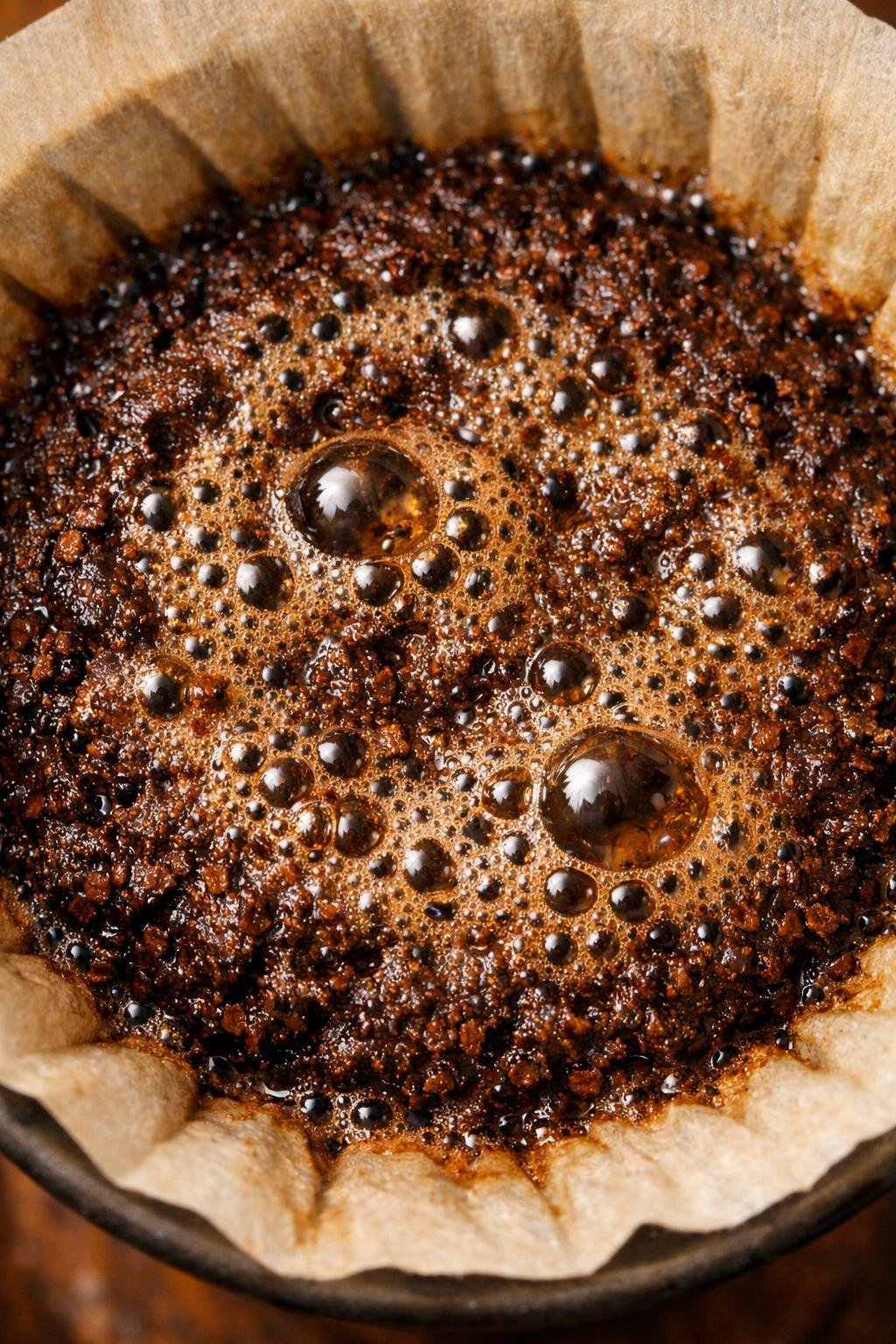
4. Fellow Stagg X Pour-Over Set
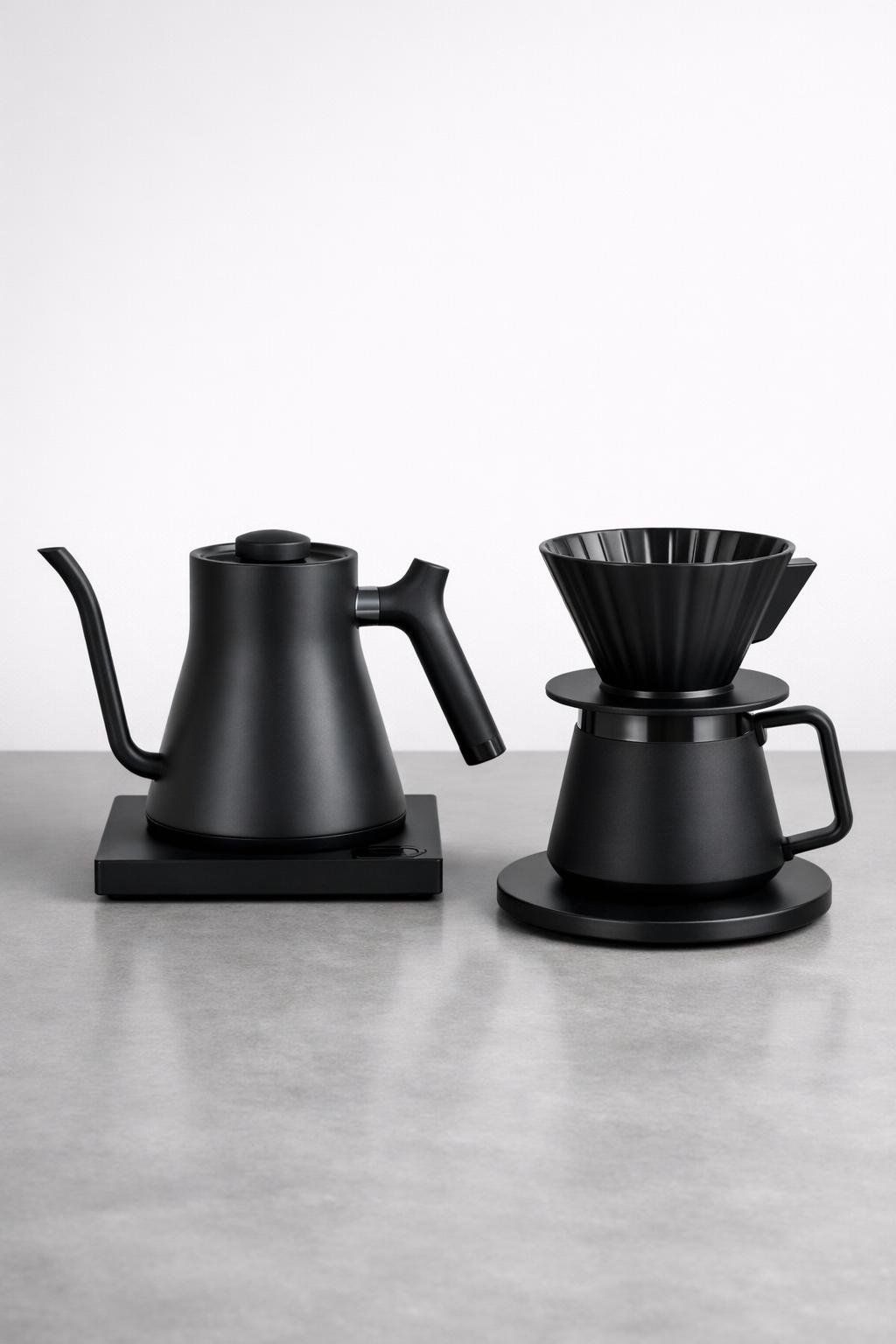
Fellow has built a reputation for making beautiful, precision-engineered coffee gear for people who take home brewing seriously. The Stagg X Pour-Over Set is the fullest expression of that philosophy — a complete brewing system that includes their iconic Stagg X gooseneck kettle and the Stagg [X] dripper, designed to work together as a unified system.
The Stagg [X] dripper is a double-wall stainless steel cone with a radial rib pattern designed to optimize flow rate and maintain temperature stability throughout the brew. The steep 60° cone angle slows the draw-down just enough to increase contact time between water and coffee, promoting rich extraction without over-extraction bitterness. Fellow has dialed in the geometry obsessively, and it shows in the cup.
But the kettle is where this set really earns its premium price. The Stagg X gooseneck features a precision pour spout that gives you more control over flow rate and direction than any other kettle I’ve used. Combined with a built-in brew range indicator, it takes one of the trickiest variables in pour over brewing — kettle control — and makes it manageable even for newer brewers. The set also includes Fellow’s proprietary paper filters, which are sized specifically for the dripper’s geometry.
If you’re the kind of person who has a cold brew batch running in the fridge and already owns a quality grinder, the Fellow Stagg X is the natural next step in your home coffee journey. It’s an investment, but it’s gear you’ll use every day for years.
| ✓ Pros | ✗ Cons |
|---|---|
| Complete kettle + dripper system — no guesswork on compatibility | Premium price point — the highest on this list |
| Gooseneck kettle offers exceptional pour control | Proprietary Fellow filters required |
| Double-wall stainless maintains brew temperature | Kettle is stovetop-compatible but not induction |
| Stunning design — a showpiece on any counter | Overkill if you’re new to pour over brewing |
5. Melitta Pour Over Coffee Maker with Thermal Carafe
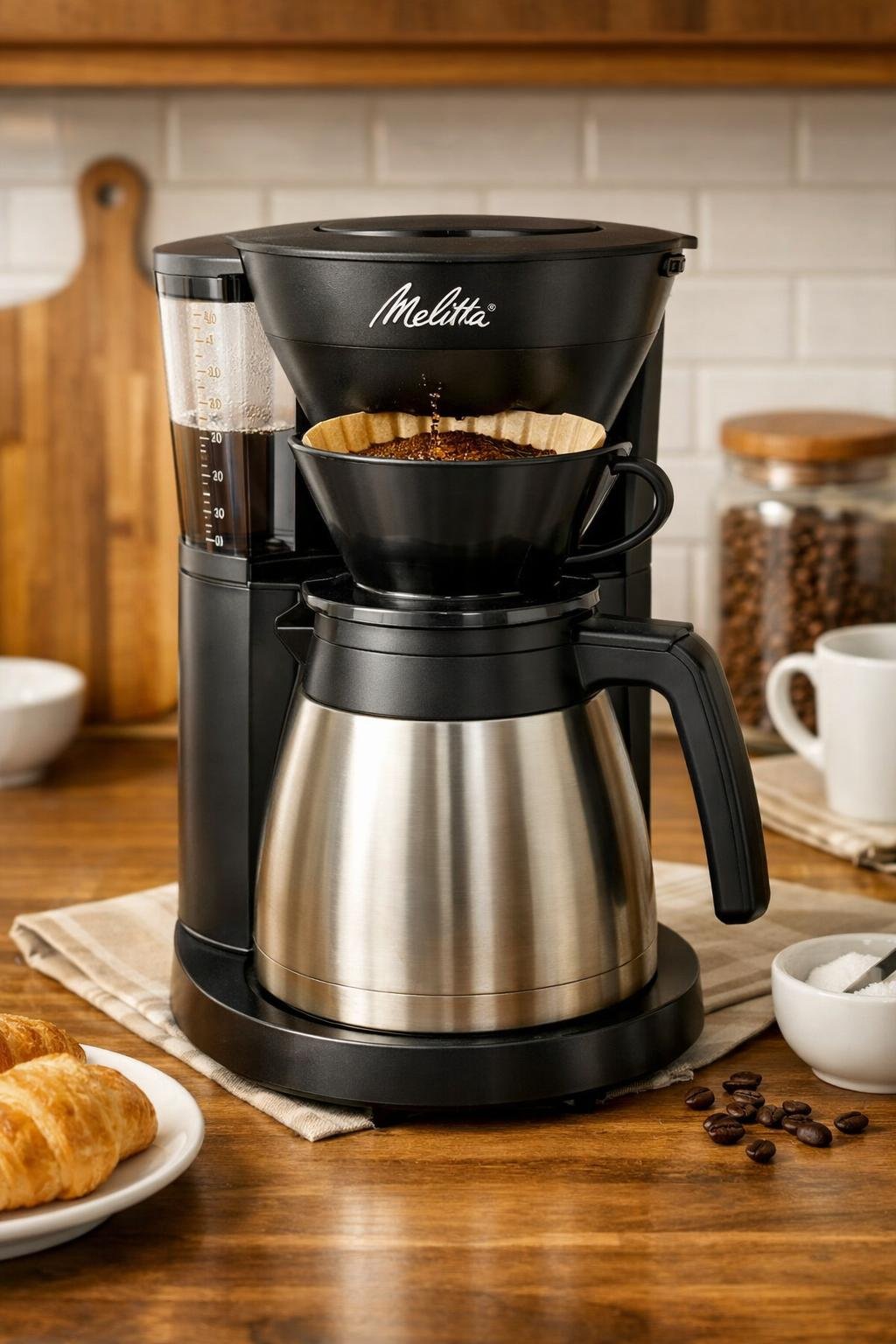
Melitta invented the pour over coffee maker in 1908. Not an exaggeration — Melitta Bentz, a housewife in Dresden, Germany, punched holes in a brass pot and used blotting paper from her son’s schoolbook to filter coffee, launching an entire category of brewing. Over a century later, the Melitta Pour Over with Thermal Carafe is the most accessible, practical, and household-friendly version of that original idea.
The setup couldn’t be simpler: a plastic cone dripper sits atop a double-wall stainless steel thermal carafe. Add a standard #2 or #4 cone filter (some of the most widely available filters on the market), add your grounds, pour hot water, done. There’s no technique to master. No gooseneck kettle required. No ritual to perfect. Just good, clean coffee that stays hot in the carafe for hours without sitting on a heating element that burns the bottom of the pot.
The thermal carafe is the genuine selling point here. If you brew a full pot in the morning and don’t finish it immediately, the Melitta will keep it genuinely hot — not just warm — for two to three hours. For households where coffee gets poured in waves across a busy morning, that’s real value. The right travel mug can extend that even further when you need to take a cup on the go.
Don’t overlook this one because of the price. Melitta filters are available in every grocery store on the planet, the brewer is nearly unbreakable, and the cup quality — when you’re using freshly ground beans — is genuinely good. This is the pick for practical brewers who want pour over quality without pour over complexity.
| ✓ Pros | ✗ Cons |
|---|---|
| Extremely beginner-friendly — no technique required | Less brewing control than cone drippers |
| Thermal carafe keeps coffee hot for 2–3 hours | Plastic cone dripper feels less premium |
| Uses widely available standard cone filters | Not ideal for single-serving brewing |
| Most affordable complete setup on this list | Cup quality ceiling is lower than higher-end drippers |
Frequently Asked Questions
What grind size should I use for pour over coffee?
Medium to medium-fine is the standard starting point for most pour over drippers — roughly the texture of sea salt. The Chemex runs slightly coarser due to its thick filters. The V60 gives you the most room to experiment: grind finer to slow the flow and increase extraction, coarser to speed it up. A burr grinder is essential here — blade grinders produce uneven particle sizes that make consistent extraction nearly impossible.
Do I need a gooseneck kettle for pour over brewing?
For the Chemex and V60, yes — I’d strongly recommend one. A gooseneck gives you precise control over flow rate and direction, which dramatically affects extraction quality. For the Kalita Wave, a gooseneck is helpful but less critical. For the Melitta carafe set, you can use a regular kettle — the design is intentionally forgiving of pour technique.
What’s the ideal water temperature for pour over coffee?
195°F to 205°F (90–96°C) is the target range. For most brewers, bringing water to a boil and letting it rest for 30–45 seconds gets you into that window. Lighter roasts benefit from higher temperatures (closer to 205°F) to fully extract their complex flavors. Darker roasts do well slightly cooler (195–200°F) to avoid extracting bitterness.
How much coffee should I use for pour over?
A 1:15 to 1:17 coffee-to-water ratio by weight is the standard starting point. That means roughly 30g of coffee to 450ml of water for a single large cup. Adjust to taste — more coffee for a stronger, fuller cup; less for something lighter and more delicate. A digital scale makes a significant difference in consistency once you’ve found a ratio you love.
Is pour over coffee better than drip machine coffee?
It can be — with the right technique and fresh beans. Pour over gives you complete control over every variable: water temperature, pour speed, bloom time, and total brew duration. A quality drip machine can produce excellent coffee too, but it makes those decisions for you. Pour over is manual brewing at its most transparent, which means your technique and ingredients are fully exposed. Use fresh beans, a good grinder, and the right water temperature, and pour over will outperform most drip machines.
Can I make cold brew in a pour over coffee maker?
Not exactly — pour over is a hot brewing method designed for immediate extraction. Cold brew uses a completely different process: coarse grounds steep in cold or room-temperature water for 12–24 hours. Check out our complete guide to making cold brew at home if that’s what you’re after. The two methods produce very different flavor profiles and serve different situations beautifully.
Final Verdict
Pour over brewing rewards curiosity and patience in equal measure — and the right dripper can meaningfully shape the ceiling of what’s possible in your cup.
If I had to pick just one for most home brewers, it’s the Chemex 6-Cup Classic. It’s beautiful, produces an exceptional clean cup, and brews enough for a proper sit-down morning without multiple batches. It’s earned its iconic status.
For the technically inclined brewer who wants maximum control, the Hario V60 Ceramic 02 is unmatched — but give yourself a few weeks to get comfortable with the technique before judging it.
New to manual brewing or want something household-practical? The Kalita Wave 185 is your most forgiving path to excellent coffee. And if budget is the primary concern, the Melitta Pour Over with Thermal Carafe delivers real pour over quality at a price that’s hard to argue with.
Ready to go all-in? The Fellow Stagg X Set is the premium choice that removes every remaining friction point from the process.
Whichever you choose — grind fresh, use good water, and slow down for those first few minutes of the morning. The cup is worth it.

About Marcus Webb
Marcus Webb is a specialty coffee buyer and home brewing enthusiast with 15 years of experience sourcing, roasting, and brewing exceptional coffee across the Pacific Northwest. He founded BrewElevate to help home baristas close the gap between café-quality coffee and what’s possible in their own kitchens.